
Hello, how are you all doing? Here we will introduce delicious food from Japan.
This article is designed so that you can also view and study in Japanese.
【history】
The origin of miso soup is said to date back to the Heian to Kamakura periods. At that time, it was consumed as ‘miso-yu,’ which was miso dissolved in hot water, and it was also valued as a portable meal for samurai.
From the Muromachi to Edo periods, miso production became more active, and miso became widely available on the dining tables of ordinary people. Miso soup with ingredients gradually became a staple of everyday meals.
Edo-period texts list ingredients such as tofu, green onions, taro, and nameko mushrooms—almost the same as those used today—showing that miso soup has long supported Japanese food culture.
In modern times, miso soup has become a beloved ‘taste of Japan‘ enjoyed not only as a home-cooked dish but also in inns’ breakfasts, set meal restaurants, and miso specialty shops, among various other settings.
味噌汁の起源は、平安時代から鎌倉時代まで遡ると言われています。当時は、味噌を湯に溶いた「味噌湯」として飲まれ、武士の携帯食としても重宝されていました。
室町時代から江戸時代にかけては、味噌造りが盛んになり、庶民の食卓にも広く普及しました。具材入りの味噌汁は、次第に日常の食卓に欠かせないものとなりました。
江戸時代の文献には、豆腐、ネギ、サトイモ、ナメコなど、現在とほぼ同じ食材が記されており、味噌汁が古くから日本の食文化を支えてきたことがわかります。
現代では、味噌汁は家庭料理としてだけでなく、旅館の朝食、定食屋、味噌専門店など、様々なシーンで愛される「日本の味」となっています。
【characteristic】
Miso soup has a very simple composition of dashi + miso + ingredients, yet the flavor can change infinitely depending on the type of dashi, the type of miso, and the combination of ingredients.
1.The Umami of Dashi Forms the Flavor Base
The type of dashi varies by region and family, including bonito, kelp, dried sardines,
flying fish, shiitake mushrooms, and more.
The aroma of the dashi determines the “depth” of the miso soup.
2.The Flavor Changes Greatly Depending on the Type of Miso
Red miso: Rich and full-bodied
White miso: Sweet and mild
Awase miso (mixed miso): Well-balanced and the most common for home use
Just the difference in miso can make the soup feel like an entirely different dish.
3.High Flexibility with Ingredients
Tofu, wakame seaweed, fried tofu, daikon radish, potatoes, nameko mushrooms, and
more
can be chosen according to the season or your mood.
4.’Homey Flavor’ You Never Get Tired of
Even with the same ingredients, the flavor changes depending on the amount of miso
and the strength of the dashi,
which makes every household have its own unique “home flavor.”
味噌汁は「だし+味噌+具材」というシンプルな構成ですが、だしの種類、味噌の種類、そして具材の組み合わせによって、その味わいは無限に変化します。
1.だしのうま味が味のベース
だしの種類は、鰹節、昆布、煮干し、
トビウオ、椎茸など、地域や家庭によって様々です。
だしの香りが味噌汁の「奥深さ」を左右します。
2.味噌の種類で味は大きく変わる
赤味噌:濃厚でコクがある
白味噌:甘みがあり、まろやかな
合わせ味噌(混合味噌):バランスが良く、家庭で最も一般的なもの
味噌の違いだけで、全く違う料理のように感じられることもあります。
3.食材の自由度が高い
豆腐、わかめ、油揚げ、大根、じゃがいも、なめこなど
季節や気分に合わせてお選びいただけます。
4.飽きのこない「家庭の味」
同じ食材でも、味噌の量やだしの濃さによって味が変わるため、
各家庭でそれぞれに「家庭の味」があります。
【category】
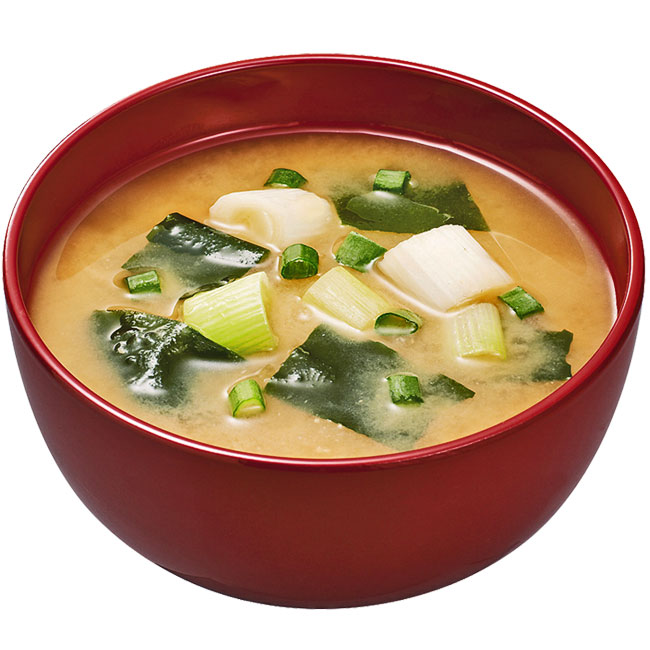
■Miso soup with tofu and wakame(The classic way in Japan)

It’s a simple and timeless everyday staple that will soothe your soul when you drink it with breakfast.
朝食と一緒に飲むと心が癒される、シンプルで飽きのこない毎日の定番ドリンクです。
■Nameko Mushroom Miso Soup
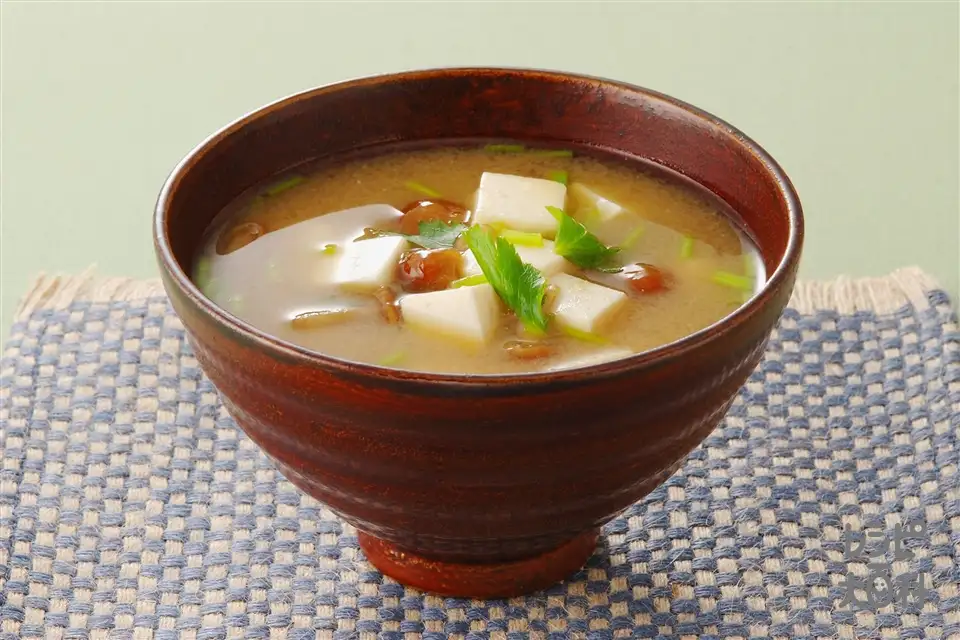
It has a thick texture and goes well with both red and white miso.
とろみがあり、赤味噌にも白味噌にもよく合います。
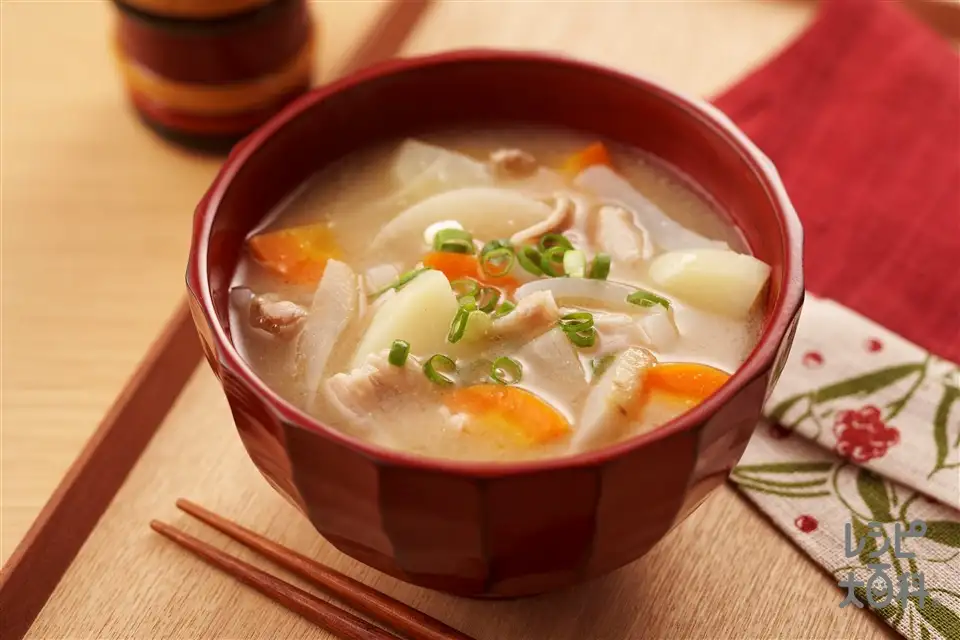
A hearty bowl filled with pork and root vegetables. Perfect for the cold season.
豚肉と根菜がたっぷり入ったボリューム満点の丼。寒い季節にぴったりです。
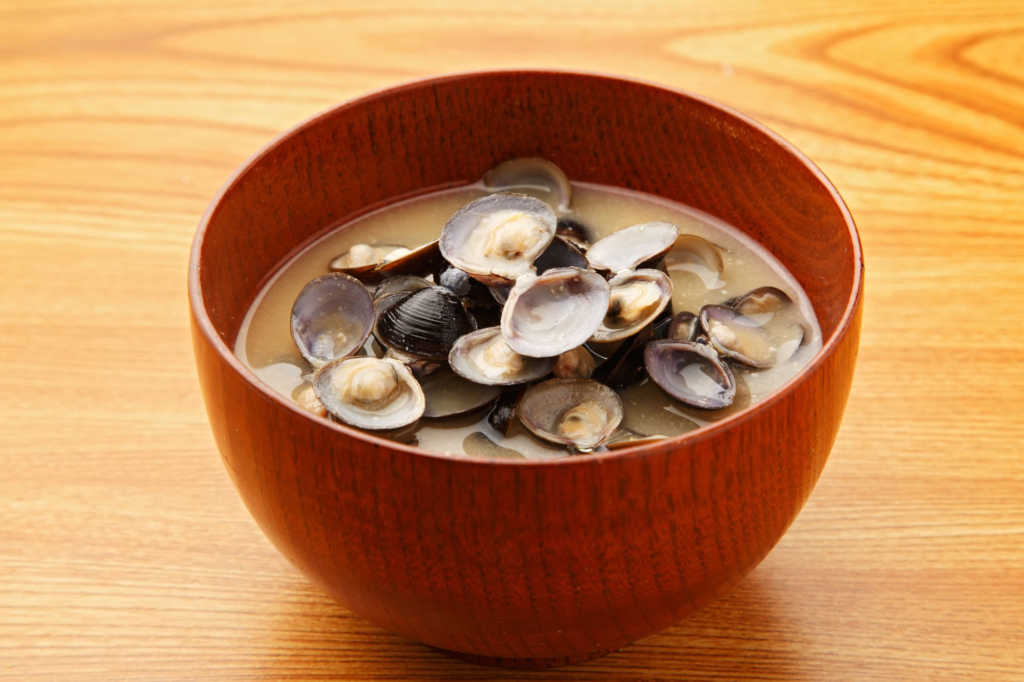
The umami of the shellfish blends into the broth, resulting in a rich aroma.
It’s popular for breakfast or as a hangover remedy.
貝の旨味がスープに溶け込み、芳醇な香りが広がります。
朝食や二日酔い対策としても人気です。
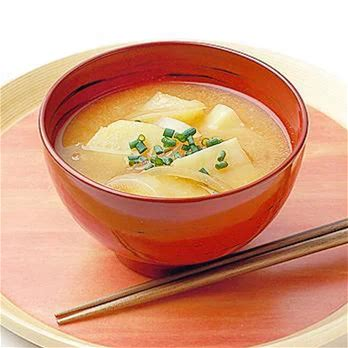
It has a sweet taste and is a popular combination with children.
甘みがあり、お子様にも人気の組み合わせです。
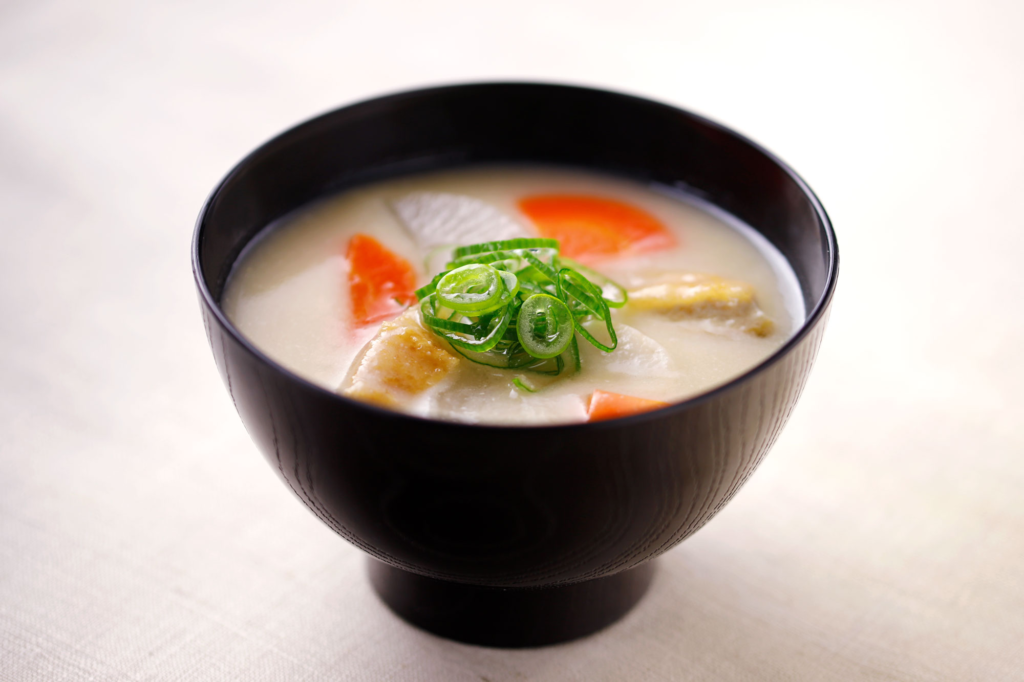
White miso soup has a charm with a ‘mildness’ and ‘sweetness’ that other misos cannot achieve.
白味噌汁は、他の味噌では出せない「まろやかさ」と「甘み」が魅力です。
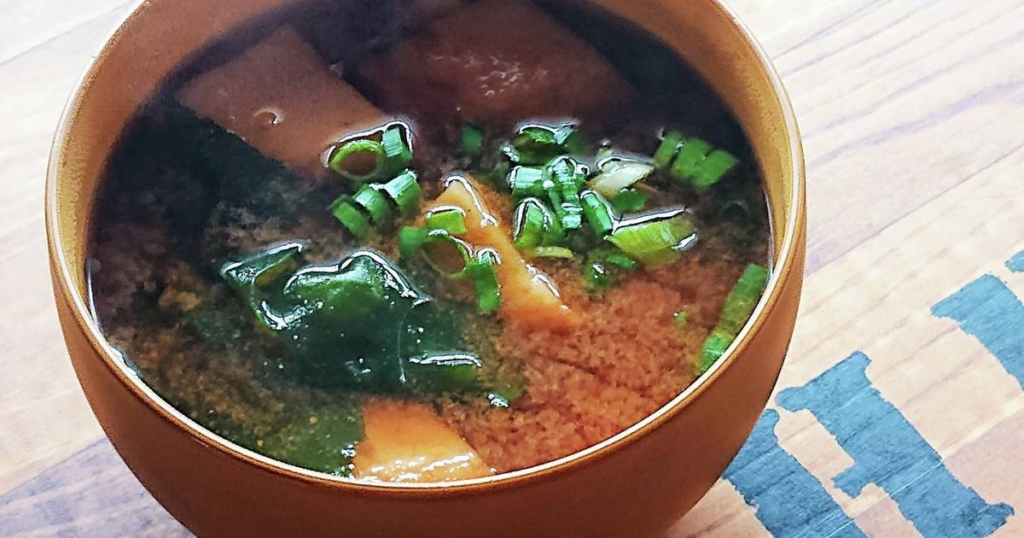
Red miso has a slightly higher salt content than white miso.
As a result, it has a crisp flavor,and a unique balance of being “rich yet with a crisp aftertaste.”
赤味噌は白味噌よりも塩分がやや高めです。
そのため、すっきりとした味わいで、「濃厚でありながら後味はすっきり」という独特のバランスが保たれています。
How was it? There are still many delicious things in Japan.
Be sure to try it when you visit Japan.
Let’s Enjoy!







コメント