
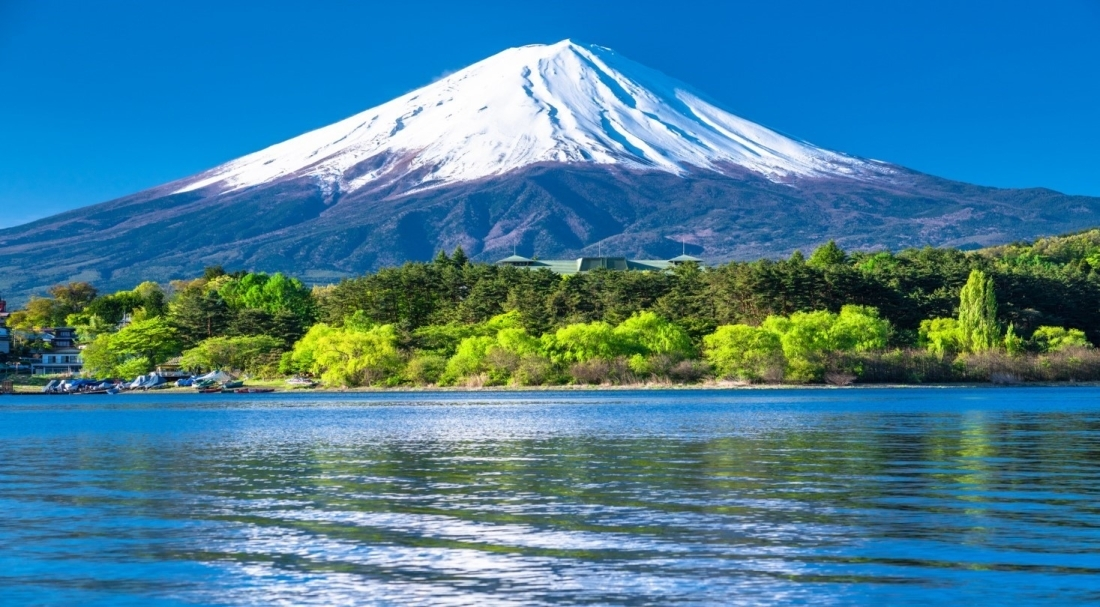
Hello, how are you all doing? Here we will introduce some fun events in Japan.
Japanese name:富士山(ふじさん)
Place:静岡(しずおか)
【history】
■The Beginning of Mount Fuji
Mount Fuji is a volcano that has been active for about 100,000 years, and it is said that its current beautiful shape was formed relatively recently. In ancient times, it was called ‘Fujisan’ or ‘Fujiyama,’ and it has been cherished by people since ancient times as a mountain so beautiful that nothing can compare to it.
■Mount Fuji as an Object of Faith
Since the Heian period, Mount Fuji has been both a “mountain to be feared” due to its repeated eruptions and a sacred place believed to be inhabited by gods. During the Edo period, the “Fujiko” movement spread, establishing the culture of ordinary people climbing Mount Fuji. Around this time, Katsushika Hokusai’s “Thirty-Six Views of Mount Fuji” was created, which also became an opportunity to spread the presence of Mount Fuji worldwide.
■Registration as a World Heritage Site
In 2013, Mount Fuji was registered as a World Cultural Heritage site as an ‘object of worship and a source of artistic inspiration.’ It is valued not only for its natural beauty but also as a symbolic presence deeply connected to Japanese culture, art, and faith.
【Feature】
1. Perfect Conical Silhouette
The greatest feature of Mount Fuji is its beautiful, symmetrically spreading conical shape. Its appearance changes with the seasons and times of day, captivating people with seasonal expressions such as the crimson “Red Fuji” at sunrise and the snow-covered “White Fuji”.
2. Japan’s Highest Elevation: 3,776m
It is the tallest mountain in Japan, and from the summit, you can enjoy a magnificent view that stretches from the sea of clouds to distant mountains.
3. Aspect as an active volcano
Mount Fuji is still an active volcano. Its last eruption was the ‘Hōei Eruption’ in 1707, leaving a large Hōei crater on the east side of the mountain.
4. Rich Nature and Diverse Climate Zones
The climate of Mount Fuji varies greatly with its elevation:
The foothills are forested,
The mid-mountain is a subalpine zone,
The summit is an alpine zone.
On a single mountain, you can enjoy a natural environment that is like a miniature version of the Earth.
5. Source of Culture and Art
It has long been a subject of various artistic works such as waka poetry, paintings, photography, and literature, and is known worldwide as a symbol of Japanese aesthetic sensibilities.
【A photo of Mount Fuji】
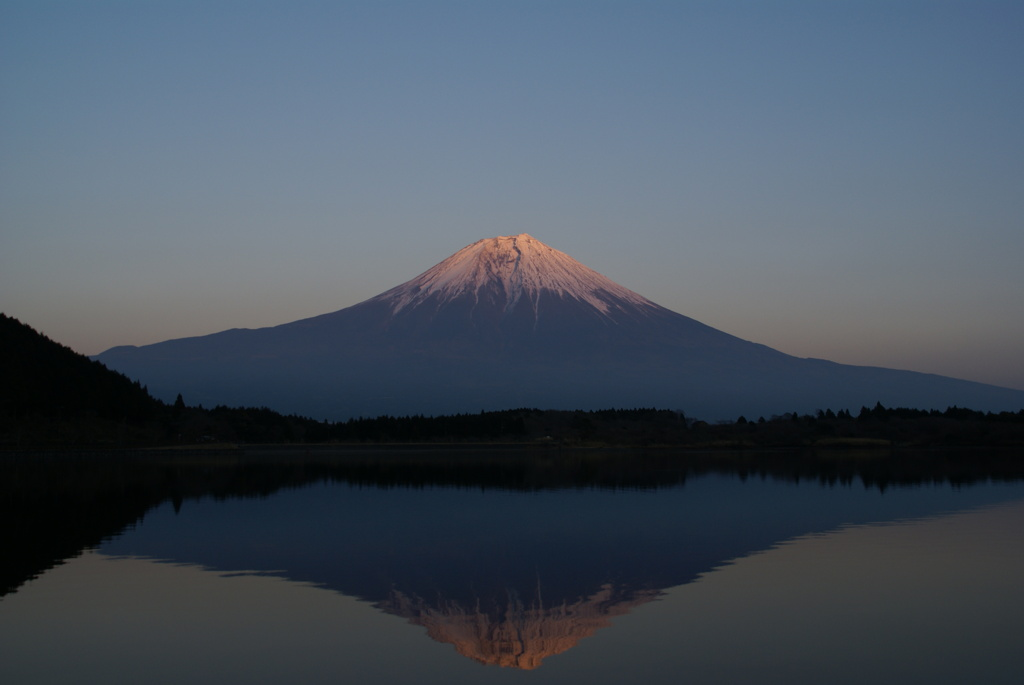
A perfect view of Mount Fuji reflected on the surface of the lake. The serenity and symmetry make for a beautiful shot.
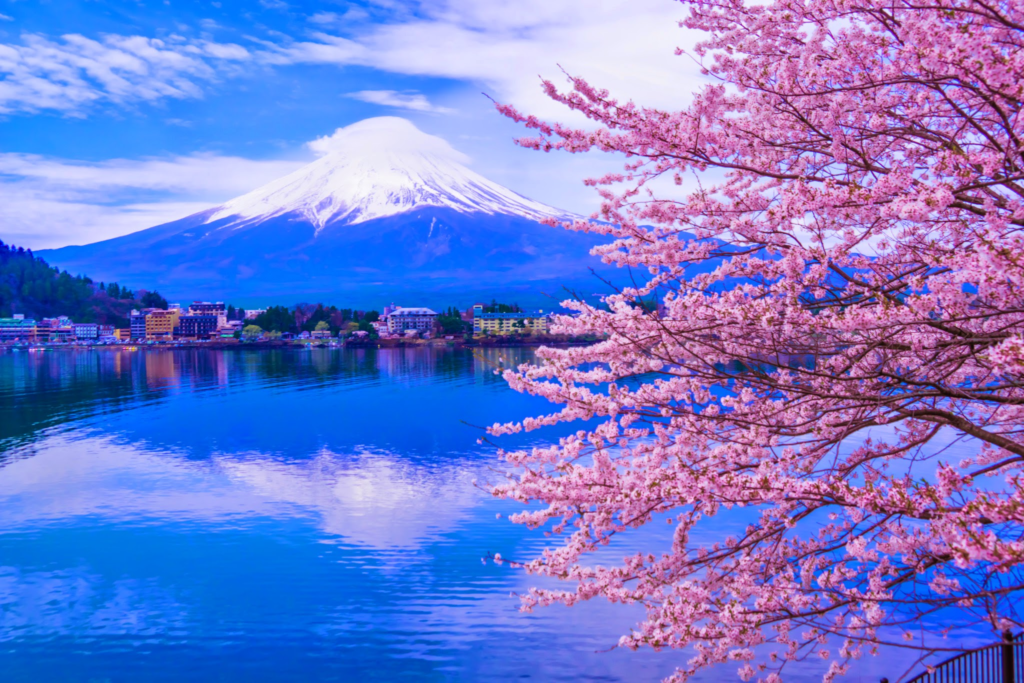
A spring classic. The combination of cherry blossoms in full bloom and Mount Fuji is a symbol of Japan.
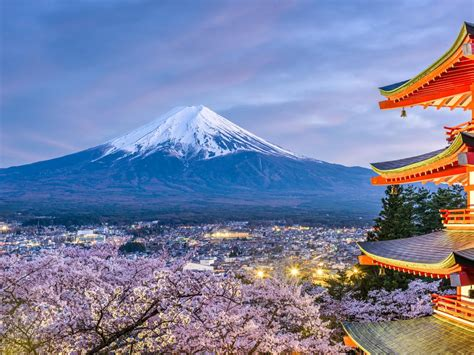
A composition that is very popular overseas. A landscape that symbolizes Japanese culture.
How was it? There are still many fun things in Japan. Please be sure to try them when you visit Japan.
Let’s Enjoy!




コメント