
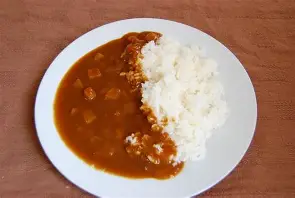
Hello, how are you all doing? Here we will introduce delicious food from Japan.
This article is designed so that you can also view and study in Japanese.
【history】
It is said that curry was introduced to Japan around 1859, when the port of Yokohama was opened. The first Japanese person to eat curry was Kenjiro Yamakawa, a member of the Byakkotai of the Aizu domain, who encountered curry rice during his studies in the United States. During this period, curry powder was brought to Japan from England, and methods of preparing curry began to spread.
カレーは、横浜港が開港した1859年頃に日本に伝わったと言われています。日本で初めてカレーを食べたのは、会津藩の白虎隊の一員である山川健次郎で、アメリカに留学中にカレーライスを試しました。この時期、カレーパウダーはイギリスから日本に持ち込まれ、カレーの作り方が広まり始めました。
【characteristic】
Japanese curry is made by sautéing finely chopped garlic and onions, then adding flour and a mix of spices or curry powder to create a curry roux. This roux is combined with meat and vegetables that have been lightly browned beforehand, along with broth, and everything is gently simmered together. Using a pressure cooker also works well and helps the flavors soak in quickly.
Because curry came to Japan through the United Kingdom, it developed into a style where roux and curry powder are used to create a stew-like dish with a smooth, thick texture. Common ingredients include large pieces of pork, beef, chicken, or seafood, along with potatoes, carrots, and onions.
There is also a well‑known story that potatoes became a standard ingredient in Japanese curry because William Smith Clark of Sapporo Agricultural College (now Hokkaido University) encouraged their use to help supplement rice shortages at the time.
日本のカレーは、にんにくと玉ねぎを細かく刻んで炒め、そこに小麦粉とスパイスやカレーパウダーを混ぜてカレールウを作ることで作られます。このルウに、あらかじめ軽く焼き色をつけた肉や野菜、さらにブロスを加え、全体を優しく煮込みます。圧力鍋を使うのもよく、味が素早く染み込むのに役立ちます。
カレーはイギリスを経由して日本に伝わったため、ルウやカレーパウダーを使って滑らかで濃厚な煮込み料理のようなスタイルに発展しました。一般的な具材には、大きめの豚肉、牛肉、鶏肉、またはシーフードと、じゃがいも、にんじん、玉ねぎが含まれます。
また、じゃがいもが日本のカレーの定番食材になったのは、有名な話として、札幌農学校(現在の北海道大学)のウィリアム・S・クラークが、当時の米不足を補うためにじゃがいもの使用を勧めたことが理由とされています。
【category】
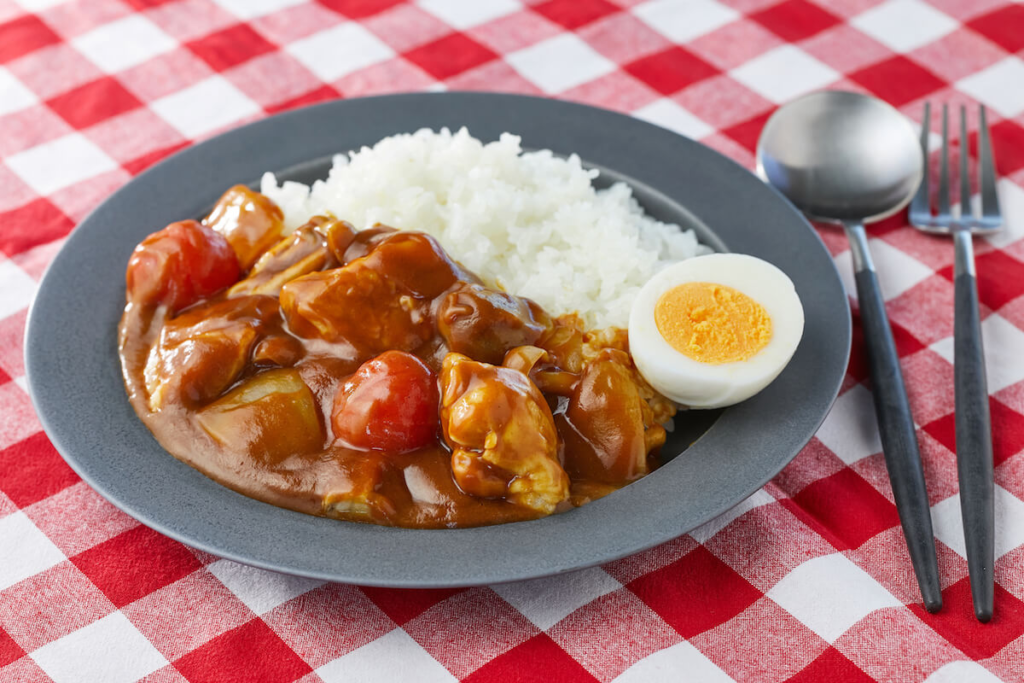
1.Thick curry made with roux
Japanese curry is typically made using commercially available roux, either in solid or flake form.
The perfectly balanced blend of flour, oil, and spices makes it difficult to make mistakes and anyone can achieve a consistent flavor. This “thick” texture is a unique charm of Japanese curry, enjoyed by people of all ages.
2.The classic ingredients are meat, potatoes, carrots, and onions. When it comes to home-cooked curry, these four ingredients probably come to mind for many people. Preferences for meat (pork, beef, chicken) vary by region and household. It is said that beef is more prevalent in Kansai, while pork is more prevalent in Kanto. Potatoes, carrots, and onions all go well with stews, and they enhance the sweetness and richness of curry. One theory is that the tradition of adding potatoes is related to the agricultural promotion in Hokkaido and the rice shortages of the time, giving a sense of the history of home cooking.
3.”Homemade flavor” – simmered for a long time. Japanese home-cooked curry is simmered for a long time, allowing the flavors to come together and the ingredients to become tender and fall apart. Recently, more and more households are using pressure cookers or electric cooking pots to prepare curry in a short amount of time. The longer it is simmered, the deeper the flavor becomes, and it is said that curry is even more delicious the next day, which is part of Japanese curry culture.
4.”Our family flavor” is different in every household. Even if the same roux is used, the taste can vary dramatically from household to household. (Adding grated apple) (Adding richness with soy sauce or miso) (Adding a secret flavor like chocolate or coffee) These kinds of creative touches all come together to create “our curry or mom’s flavor.”
1.ルウから作る濃厚なカレー 日本のカレーは、一般的に市販のルウを使って作られます。ルウは固形やフレーク状のものがあります。小麦粉、油、スパイスが絶妙に配合されているため、失敗しにくく、誰でも安定した味に仕上げることができます。この「濃厚」な食感は、日本のカレーの独特の魅力であり、老若男女に楽しまれています。
2.定番の材料は肉、じゃがいも、にんじん、たまねぎです。家庭で作るカレーといえば、多くの人がまずこの四つの材料を思い浮かべるでしょう。肉の好み(豚肉、牛肉、鶏肉)は地域や家庭によって異なります。関西では牛肉、関東では豚肉が多いと言われています。じゃがいも、にんじん、たまねぎはどれも煮込み料理によく合い、カレーの甘みやコクを引き立てます。じゃがいもを加える習慣は、北海道の農業振興や当時の米不足に関連しているという説もあり、家庭料理の歴史を感じさせます。
3.「家庭の味」-じっくり煮込む。日本の家庭のカレーは、じっくり煮込むことで、味がなじみ、具材が柔らかくほろほろになるのが特徴です。最近では、圧力鍋や電気調理鍋を使って短時間でカレーを作る家庭も増えています。煮込めば煮込むほど味が深まり、翌日の方がさらに美味しいと言われており、これも日本のカレー文化の一部です。
4.「我が家の味」は家庭ごとに違う。同じルウを使っても、家庭によって味は大きく変わります。(りんごすりおろしを加える)(しょうゆや味噌でコクを出す)(チョコレートやコーヒーなどの隠し味を加える)こうした工夫が合わさって、「我が家のカレー」や「お母さんの味」が生まれます。
■Soup curry(スープカレー)Region:Hokkaido(北海道)

In the 1990s, “drinking curry” started with “Magic Spice” in Sapporo.
Put large vegetables and chicken in a spiced soup and eat with a spoon. It is truly a “Hokkaido-style curry” that warms the body in cold regions.
1990年代、札幌の「マジックスパイス」から「飲むカレー」が始まりました。大きめの野菜と鶏肉をスパイシーなスープに入れてスプーンで食べます。寒い地域の体を温める、まさに「北海道スタイルのカレー」です。
■Yokosuka Navy Curry(横須賀海軍カレー)Region:Kanagawa(神奈川)
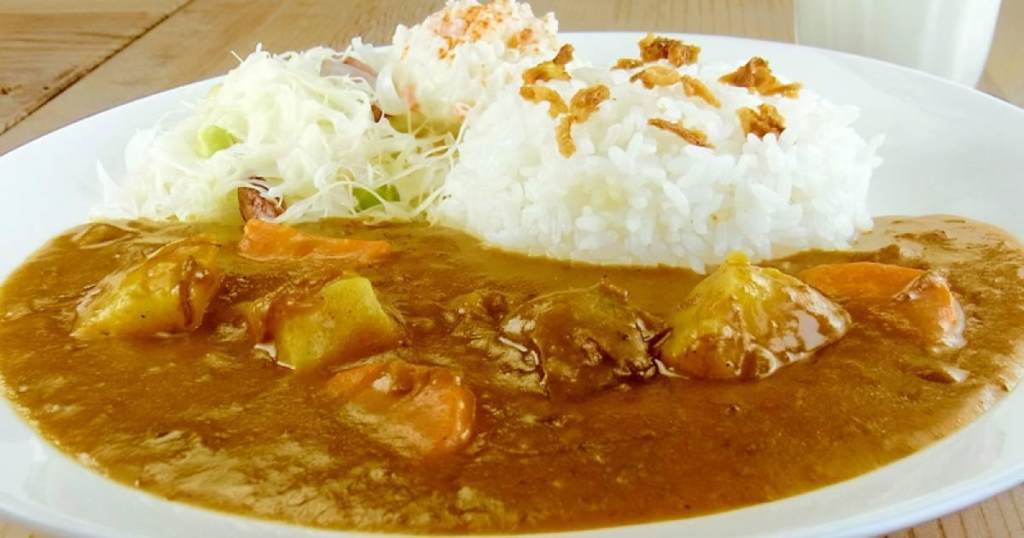
Faithfully recreating a Meiji-era naval recipe. The basics are beef, potatoes, and carrots. Nowadays, it has also become a tourist attraction as the ‘Curry City Yokosuka.’
明治時代の海軍のレシピを忠実に再現しています。基本の材料は牛肉、ジャガイモ、ニンジンです。現在では「カレーの街横須賀」として観光名所にもなっています。
■kanazawa Curry(金沢カレー)Region:Ishikawa(石川県)
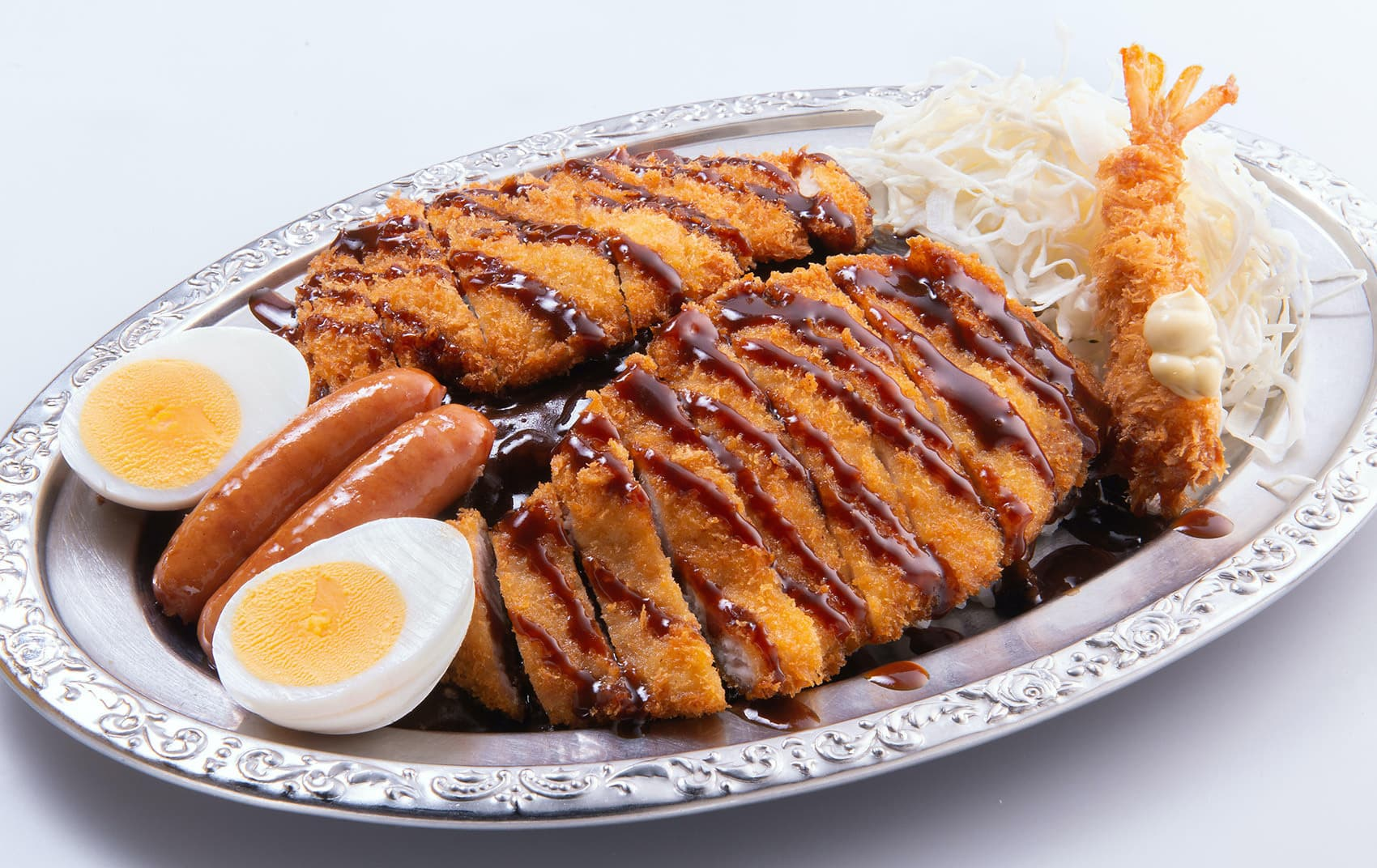
Rich roux, shredded cabbage, cutlet, stainless steel plate
the ‘Kanazawa-style format’ you won’t forget once you’ve seen it.
It is a perfected regional brand that preserves the Showa-era Western food culture just as it was.
It’s delicious, and I eat it about once a month.
濃厚なルー、千切りキャベツ、カツ、ステンレスの皿――一度見たら忘れられない『金沢風スタイル』。昭和時代の洋食文化をそのまま残した、完成されたご当地ブランドです。
■Mojiko yaki Curry(門司港 焼きカレー)Region:Fukuoka(福岡県)
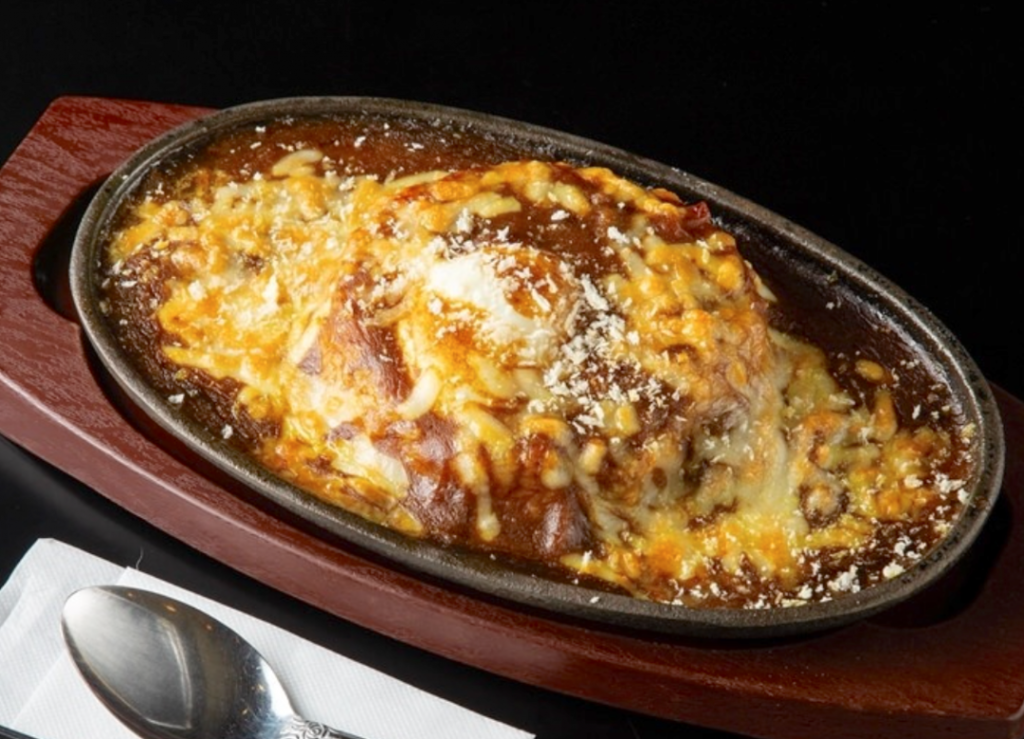
The charm of Mojiko Baked Curry lies in the ‘rich aroma’ and ‘intensity’ that come from baking it in the oven. The cheese and egg blend into the creamy curry, with a nicely browned surface and a piping-hot interior, offering a special experience that’s different from regular curry. Its appeal is in the distinct feeling of a ‘treat,’ unlike homemade curry.
門司港焼きカレーの魅力は、オーブンで焼くことで生まれる『濃厚な香り』と『コク』にあります。チーズと卵がクリーミーなカレーに溶け込み、こんがりと焼き色のついた表面とアツアツの中身が、普通のカレーとは違った特別な体験を提供します。家庭のカレーとは異なる、『ごちそう感』がその魅力です。
How was it? There are still many delicious things in Japan.
Be sure to try it when you visit Japan.
Let’s Enjoy!





コメント