
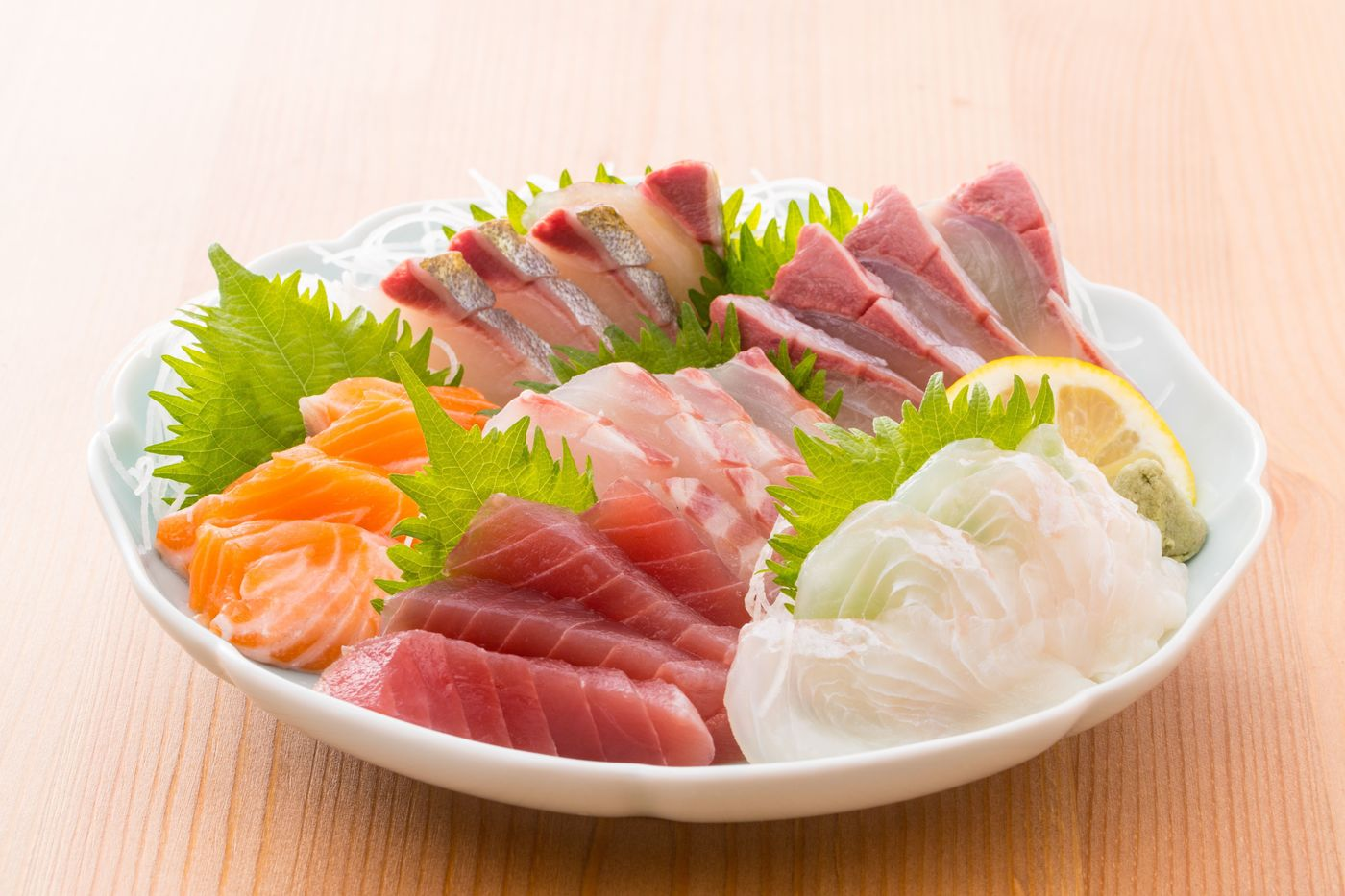
Hello, how are you all doing? Here we will introduce delicious food from Japan.
This article is designed so that you can also view and study in Japanese.
【history】
The origin of sashimi is ancient, and it is said that by the Heian period, a culture of ‘cutting and eating raw fish’ already existed. At that time, preservation techniques were limited, so sashimi developed mainly in coastal areas where fresh fish could be obtained.
By the Muromachi period, knife skills had improved, giving rise to the culture of the ‘hocho-bito,’ craftsmen who cut fish beautifully. During the Edo period, as soy sauce became widespread, sashimi also became popular among the common people, establishing the current style of ‘soy sauce + wasabi.’
Sashimi is a traditional Japanese dish that developed through the combination of Japan’s seas, knife skills, and seasoning culture.
刺身の起源は古く、平安時代にはすでに「生の魚を捌いて食べる」文化があったと言われています。当時は保存技術が限られていたため、刺身は主に新鮮な魚が手に入る沿岸部で発展しました。
室町時代には包丁の技術が向上し、魚を美しく捌く「包丁人」と呼ばれる職人の文化が生まれました。江戸時代には醤油が普及し、刺身は庶民にも広まり、「醤油+わさび」という現在のスタイルが確立されました。
刺身は、日本の海、包丁の技術、そして調味料文化が融合して発展した日本の伝統料理です。
【characteristic】
Sashimi is a dish that allows you to enjoy the taste of seafood itself.
Since it is not cooked, the freshness of the ingredients and how they are cut are very important.
1.You can taste the taste of the ingredients as they are
You can directly enjoy the flavor, sweetness, aroma, and texture of the fish.
2.The taste changes depending on how you cut it.
The texture changes depending on how you cut it, such as slicing, flattening, or finely
cutting.
3.Compatibility with soy sauce, wasabi, and condiments
The spiciness of wasabi, the umami of soy sauce, and condiments such as ginger and
shiso leaves enhance the taste.
4.There is a “season” for each season
Even the same fish has different fat and taste depending on the season.
Because sashimi is simple, it is a deep dish that shows the “ingredients, techniques, and seasons” as they are.
刺身は魚介類そのものの美味しさを楽しめる料理です。
調理をしないため、素材の鮮度と切り方が非常に重要です。
1.素材の味をそのまま味わえる
魚の旨み、甘み、香り、食感をダイレクトに楽しめます。
2.切り方で味が変わる
スライスする、平たくする、細かく切るなど、切り方によって食感が変わります。
3.醤油、わさび、薬味との相性
わさびの辛味、醤油の旨味、そして生姜や大葉などの薬味が味を引き立てます。
4.季節ごとに「旬」がある
同じ魚でも季節によって脂の乗りや味が変わります。
刺身はシンプルだからこそ、「素材・技法・旬」がそのまま表れる奥深い料理です。
【category】
■White Fish Sashimi(白身魚の刺身)
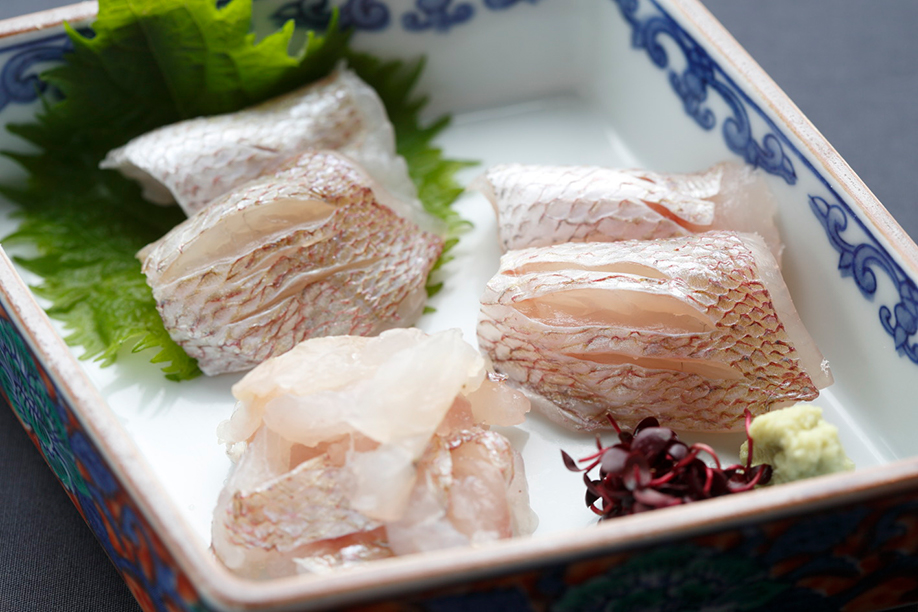
Characterized by its mild and refined flavor, the taste varies depending on the season and region of origin.
Sea Bream
Moist, sweet, and chewy, it’s a staple at celebratory occasions.
Flounder
Translucent flesh and delicate flavor. Fluffy fin wedge is also popular.
Suzuki
With its refreshing flavor, it’s delicious in the summer.
White fish has a light flavor with deep umami, and the sweetness spreads with each bite.
白身魚の刺身
淡泊で上品な味わいが特徴。季節や産地によって旨味が変わります。
鯛(たい)
しっとりとした甘みと弾力のある食感。祝いの席でも定番。
ひらめ
透明感のある身と繊細な旨味。えんがわも人気。
すずき
さっぱりとした味わいで夏に美味しい。
白身魚は、淡い味わいの中に深い旨味があり、噛むほどに甘さが広がります。
■Lean Fish Sashimi(赤身魚の刺身)
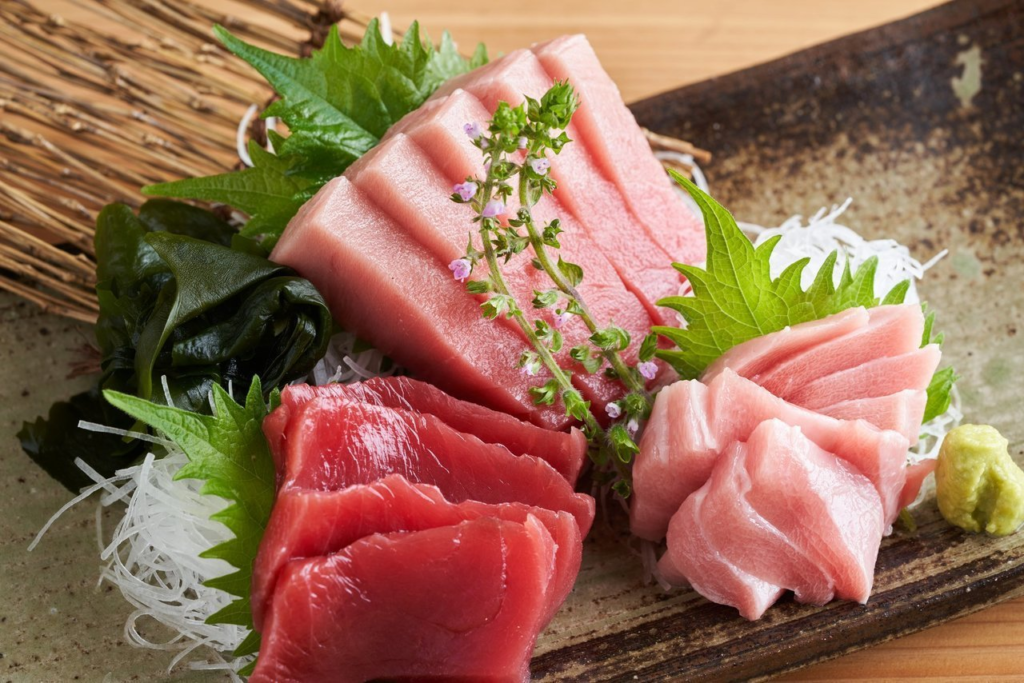
Characterized by its robust umami and rich flavor, it’s a symbol of Japanese sashimi culture.
Tuna (Lean Meat)
Refreshing yet rich in flavor, it’s the king of sushi and sashimi.
Bonito
Its strong aroma makes it an excellent match with condiments. It’s also popular as a tataki (seared bonito).
Lean meat has a powerful flavor and pairs wonderfully with rice and soy sauce.
しっかりとした旨味とコクが特徴。日本の刺身文化を代表する存在です。
まぐろ(赤身)
さっぱりしつつ旨味が濃い。寿司・刺身の王道。
かつお
香りが強く、薬味との相性が抜群。たたきでも人気。
赤身は力強い味わいで、ご飯や醤油との相性がとても良いのが魅力です。
■Blue fish sashimi(青魚の刺身)
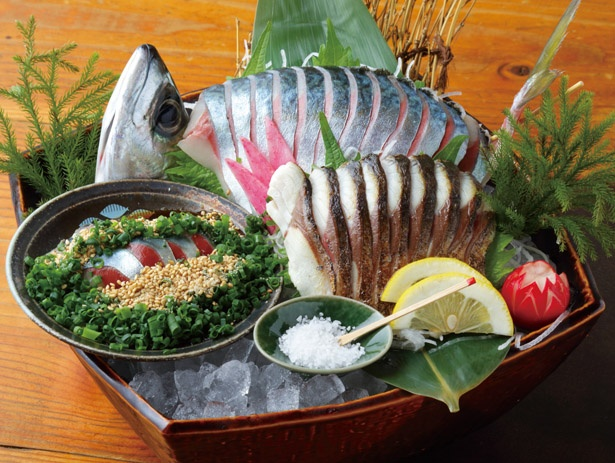
This type has a strong aroma and a rich flavor. Freshness is key.
Horse mackerel: Moderate fat and a light sweetness. Also used in namero.
Mackerel: When eaten raw, it is often served as marinated mackerel.
Sardines: The more fatty the sardines, the richer their flavor.
Blue fish pairs exceptionally well with condiments (ginger, green onions, shiso leaves), allowing for a harmonious blend of aromas.
香りが強く、旨味が濃いタイプ。鮮度が命です。
アジ
ほどよい脂と軽い甘み。なめろうにも使われる。
サバ
生食はしめ鯖として提供されることが多い。
イワシ
脂がのると濃厚な旨味が楽しめる。
青魚は薬味(生姜・ねぎ・大葉)との相性が抜群で、香りの調和が楽しめます。
■Squid and Octopus Sashimi(イカ・タコの刺身)
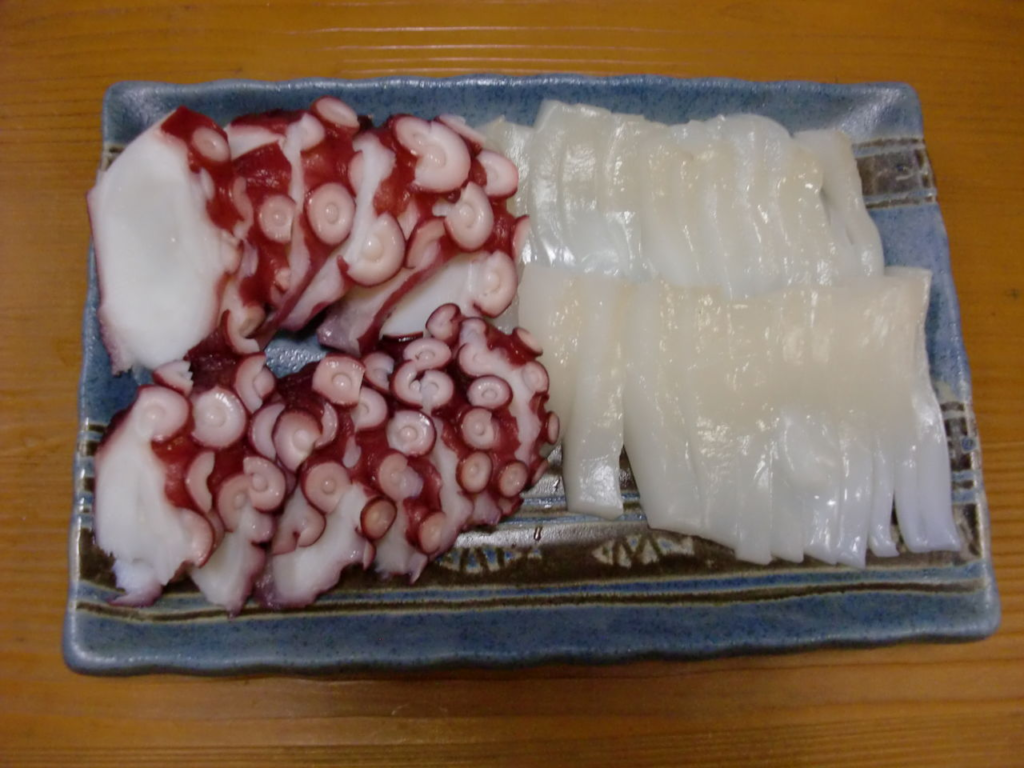
With a crunchy texture and gentle sweetness, these sashimi are appealing.
Squid
The sweetness and texture vary depending on the type, ranging from sticky to crunchy.
Octopus
It’s chewy, and the more you chew it, the more flavor it releases.
This sashimi is simple, yet highlights the quality of the ingredients.
コリッとした食感と優しい甘みが魅力。
イカ
種類によって甘みや食感が異なる。ねっとり系からコリコリ系まで幅広い。
タコ
弾力があり、噛むほどに旨味が広がる。
シンプルながら、素材の良さが際立つ刺身です。
■Crustacean Sashimi(甲殻類の刺身)
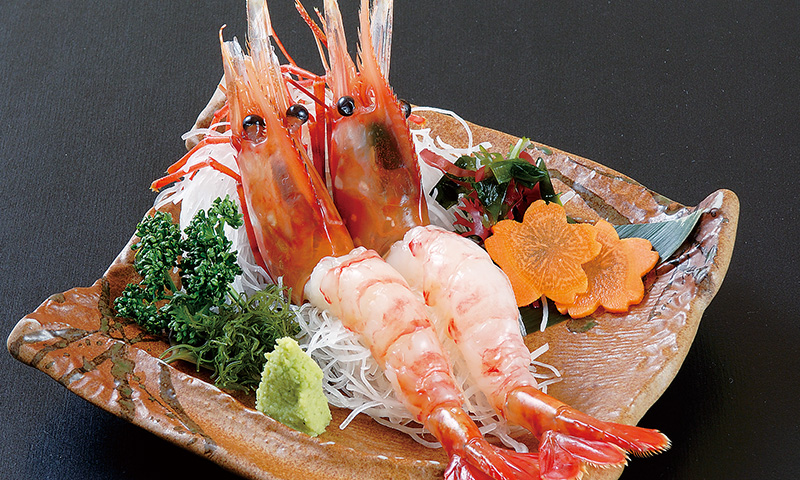
Characterized by its intense sweetness and firm texture.
Sweet Shrimp: Its melt-in-your-mouth sweetness is its charm.
Botan Shrimp: Large and richly sweet.
Spiny Lobster: Known as a luxury ingredient, it has a firm texture.
The fresher the crustacean, the sweeter its flavor will be.
甘みが強く、ぷりっとした食感が特徴。
甘エビ
とろけるような甘さが魅力。
ボタンエビ
大ぶりで濃厚な甘み。
伊勢海老
高級食材として知られ、ぷりぷりの食感が楽しめる。
甲殻類は鮮度が良いほど甘みが際立ちます。
■Shellfish Sashimi(貝類の刺身)
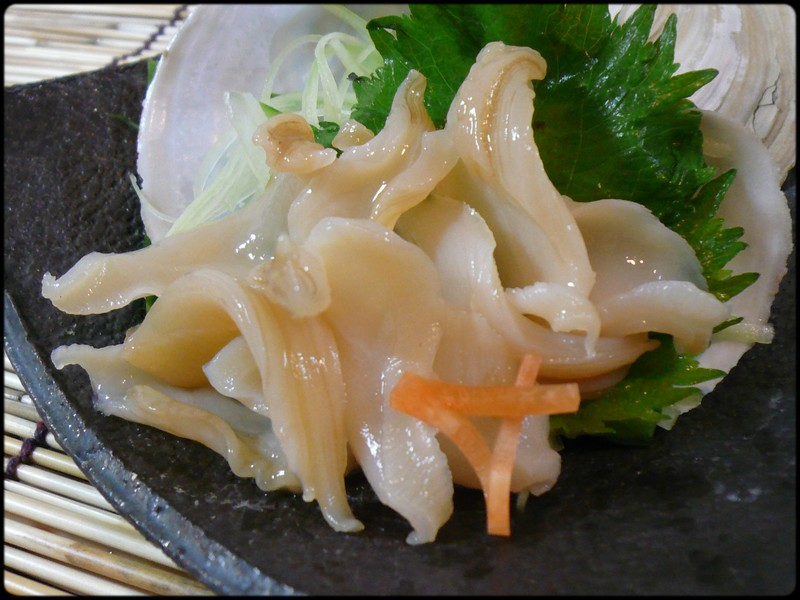
A variety of shellfish that connoisseurs will enjoy, with a unique texture and aroma.
Scallops
Soft, sweet, and tender.
Ark shells
Characterized by a crunchy texture and aroma.
Whelk
Popular for their crunchy texture.
Shellfish offer a variety of textures that are fun to eat, making them a genre with strong individuality even among sashimi.
独特の食感と香りが楽しめる、通好みの種類。
ホタテ
ふんわり甘く、柔らかい。
赤貝
コリッとした歯ごたえと香りが特徴。
つぶ貝
コリコリとした食感が人気。
貝類は食感の違いが楽しく、刺身の中でも個性が強いジャンルです。
How was it? There are still many delicious things in Japan.
Be sure to try it when you visit Japan.
Let’s Enjoy!





コメント