
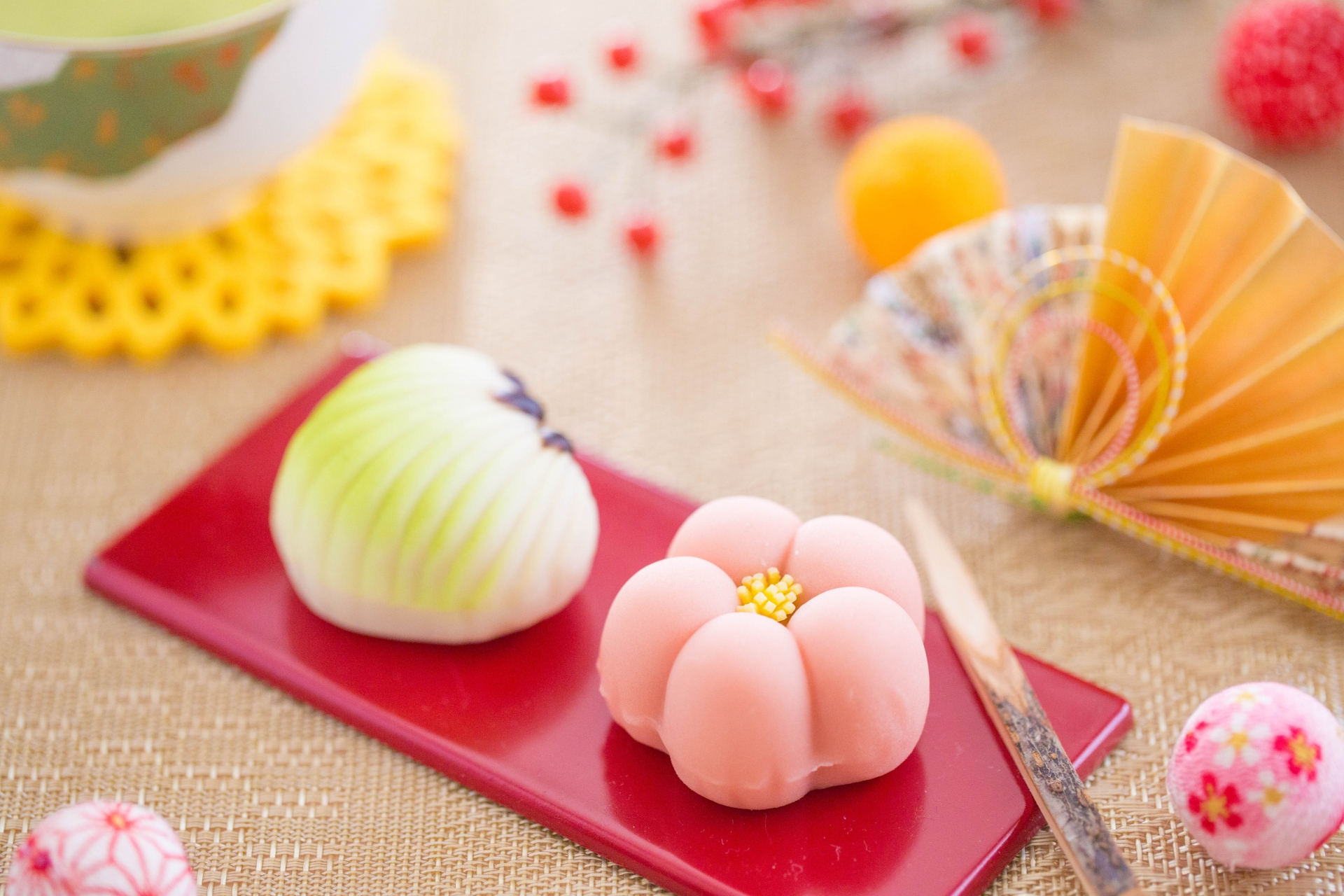
Hello, how are you all doing? Here we will introduce delicious food from Japan.
This article is designed so that you can also view and study in Japanese.
【history】
The history of wagashi (Japanese sweets) is very old, and prototypes of these sweets already existed during the Nara to Heian periods. At that time, rice- and grain-based dumplings and mochi, as well as fruits and nuts, were called “sweets,” and sugar was still a rare commodity. Sweetness mainly came from honey or the natural sweetness of fruits.
During the Muromachi to Azuchi-Momoyama periods, sugar was introduced to Japan through trade with the Nanban (southern barbarians), and with the development of the tea ceremony culture, there was a demand for refined sweets suitable for tea gatherings.
In the Edo period, sugar distribution increased, allowing ordinary people to enjoy sweet treats as well. Many types of wagashi that continue to the present day, such as manju, yokan, senbei, and rakugan, were created.
Wagashi has grown as a uniquely Japanese sweet culture, deeply connected with:
Buddhism, the tea ceremony, and annual events,
The changing seasons,
Celebrations and gift-giving traditions.
【歴史】
和菓子の歴史は非常に古く、奈良時代から平安時代にはすでにその原型が存在していました。当時は、米や穀物を原料とした団子や餅、果物や木の実などが「菓子」と呼ばれ、砂糖はまだ希少なものでした。甘味は主に蜂蜜や果物の自然な甘味に頼っていました。
室町時代から安土桃山時代には、南蛮貿易を通じて砂糖が日本にもたらされ、茶道文化の発展に伴い、茶会にふさわしい洗練された菓子が求められるようになりました。
江戸時代には砂糖の流通が活発になり、庶民も甘いものを楽しむことができるようになりました。饅頭、羊羹、煎餅、落雁など、現代まで受け継がれる多くの種類の和菓子が作られました。
和菓子は、仏教、茶道、年中行事、季節の移ろい、お祝い事、贈り物の伝統などと深く結びつき、日本独自の甘味文化として発展してきました。
【characteristic】
Wagashi is a very delicate world where ingredients, appearance, seasonal feeling, and storytelling all come together.
Gentleness of ingredients
The focus is on natural ingredients such as azuki beans, rice, mochi, kanten, kudzu, chestnuts, and sugar.
Enjoying the lingering sweetness
Unlike Western sweets, which are rich with butter or cream, wagashi is characterized by an elegant sweetness that fades gently.
Strong sense of season
Many designs reflect the seasons, such as cherry blossoms, fresh leaves, autumn leaves, and snow. The element of ‘visual enjoyment’ is very significant.
Designed to pair with tea
The sweetness and texture are adjusted with the intention of being enjoyed with matcha, sencha, hojicha, and other teas.
Stories in the names and shapes
Many names, such as ‘Hanami Dango,’ ‘Tsukimi Dango,’ ‘Chidori Manju,’ and ‘Monaka,’ are inspired by events, landscapes, or auspicious meanings.
和菓子は、素材、見た目、季節感、そして物語性、すべてが織りなす、とても繊細な世界です。
素材の優しさ
小豆、米、餅、寒天、葛、栗、砂糖など、自然の素材にこだわっています。
余韻を楽しむ
バターやクリームをたっぷり使った洋菓子とは異なり、和菓子は優しく溶け込む上品な甘さが特徴です。
季節感の豊かさ
桜、新緑、紅葉、雪など、季節を感じさせるデザインが多く、「視覚的な楽しみ」という要素も大切にしています。
お茶との相性を考えてデザイン
抹茶、煎茶、ほうじ茶など、様々なお茶と一緒にお楽しみいただけるよう、甘さや食感を調整しています。
名前と形に込められた物語
「花見団子」「月見団子」「千鳥饅頭」「最中」など、多くの名前は、行事や風景、縁起の良い意味にちなんで付けられています。
【category】
■Nerikiri(Namagashi)
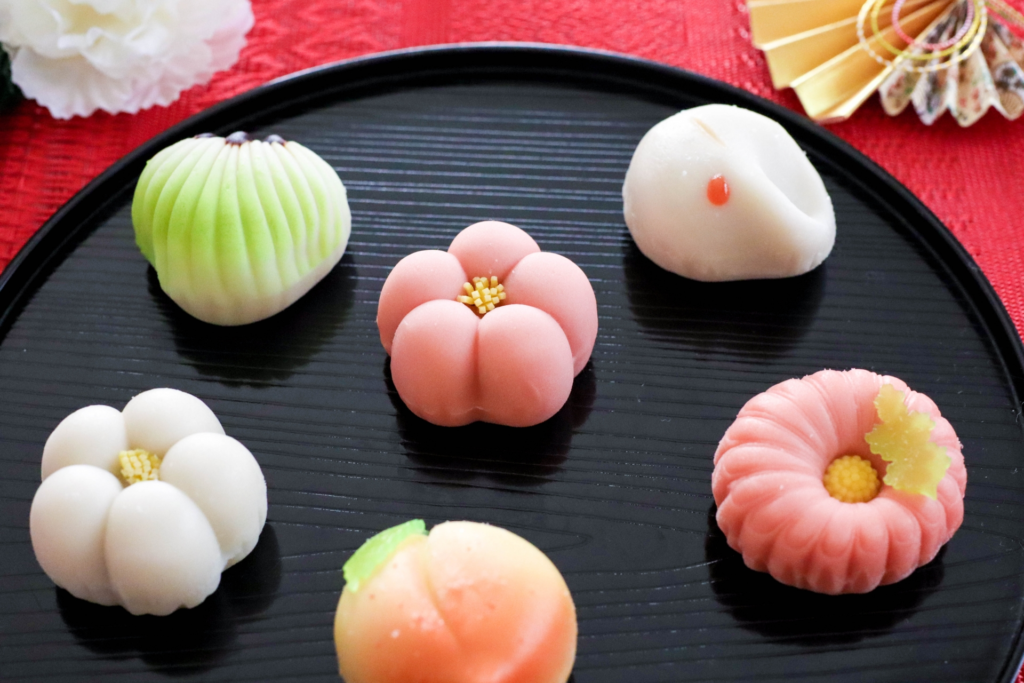
These have a high moisture content and are the most delicate and beautiful category of Japanese sweets. Many designs express the changing seasons, making them highly prized for tea ceremonies.
水分量が多く、和菓子の中でも最も繊細で美しい菓子です。季節の移ろいを表現した意匠が多く、茶道でも珍重されています。
■Daifuku(Namagashi)
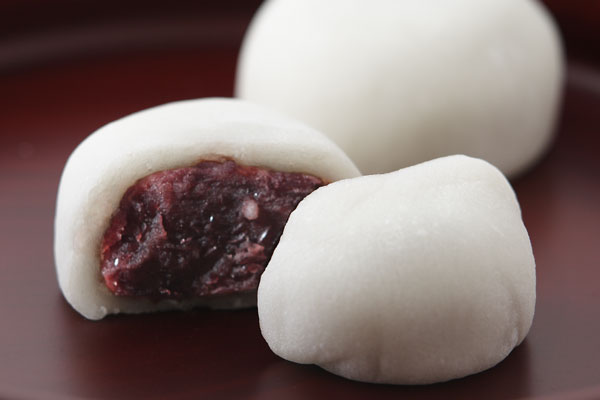
A classic sweet with sweet bean paste wrapped in soft mochi. There are many variations, such as strawberry daifuku and salted daifuku.
柔らかい餅で甘い餡を包んだ定番のお菓子。いちご大福や塩大福などバリエーションも豊富。
■Daifuku(Namagashi)
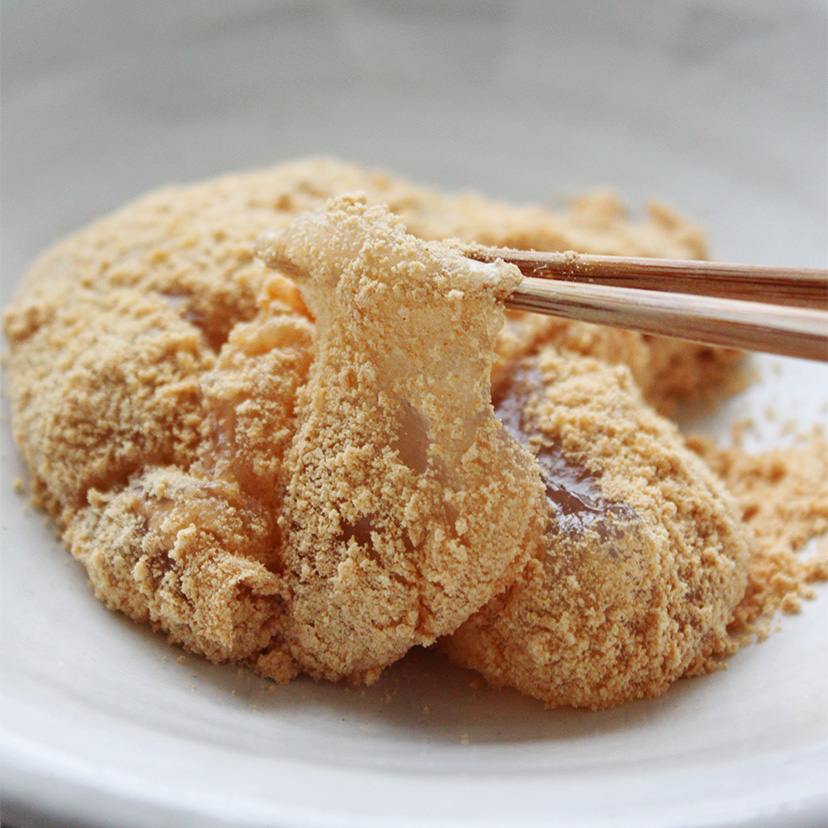
A chewy texture made from bracken starch. Pairs perfectly with kinako (roasted soybean flour) or dark syrup.
わらび粉で作ったもちもちとした食感。きな粉や黒蜜と相性抜群です。
■Mizuyokan(Namagashi)
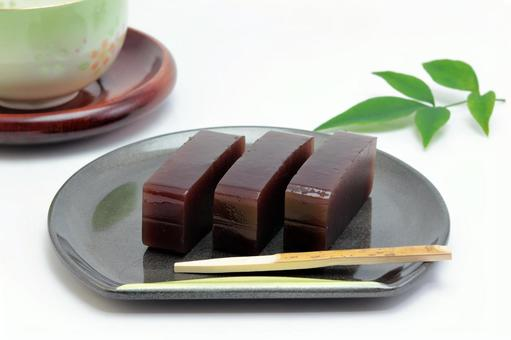
A refreshing, jelly-like sweet that is perfect for summer. Extra delightful when chilled.
夏にぴったりの、さわやかなゼリー菓子。冷やして食べるとさらに美味しいです。
■Monaka(Half-Dry Namagashi)
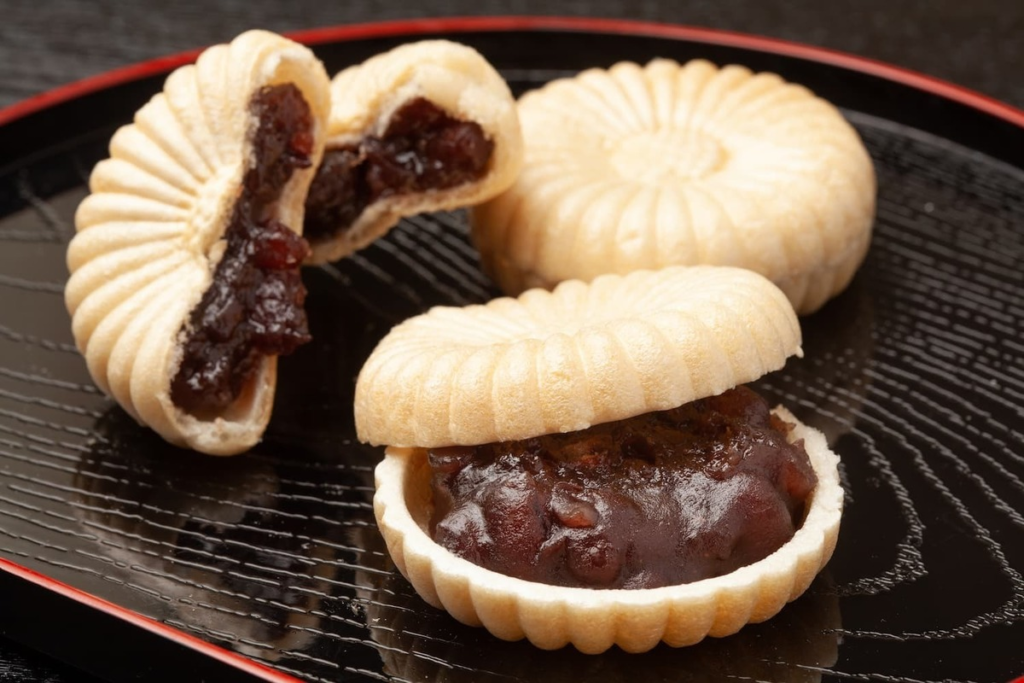
Sweet bean paste sandwiched between crispy wafers. Regional variations may include chestnut or mochi fillings.
サクサクの皮で甘い餡を挟んだもの。地域によって栗や餅を挟むものもある。
■Uirou(Half-Dry Namagashi)
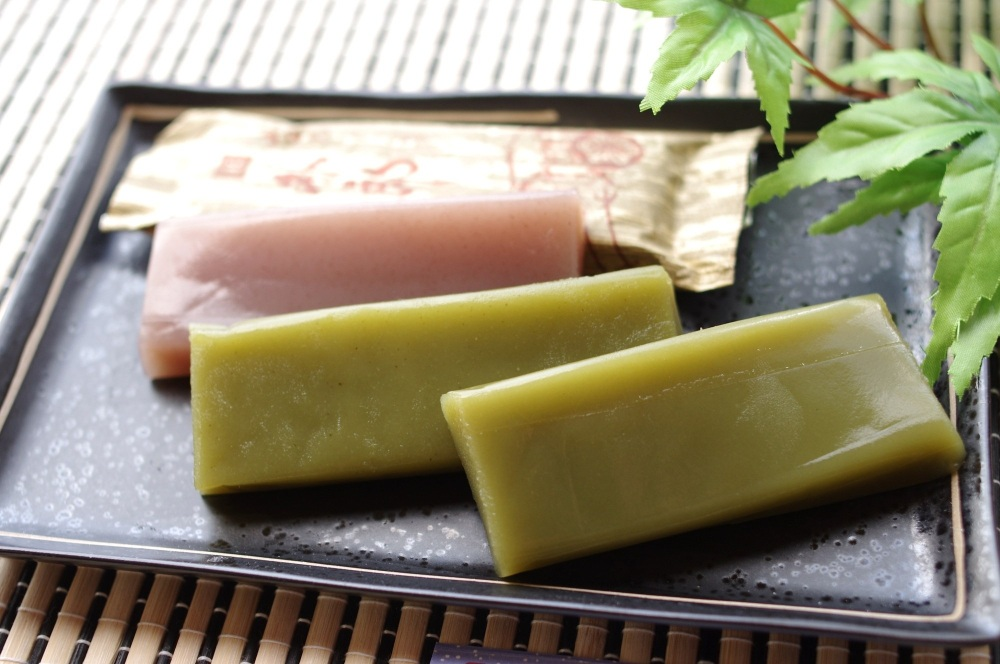
A chewy sweet made by steaming rice flour, with regional differences found in places like Nagoya and Yamaguchi.
米粉を蒸して作るもちもちとしたお菓子。名古屋や山口など地域によって違いがある。
■Sakura Mochi(Half-Dry Namagashi)
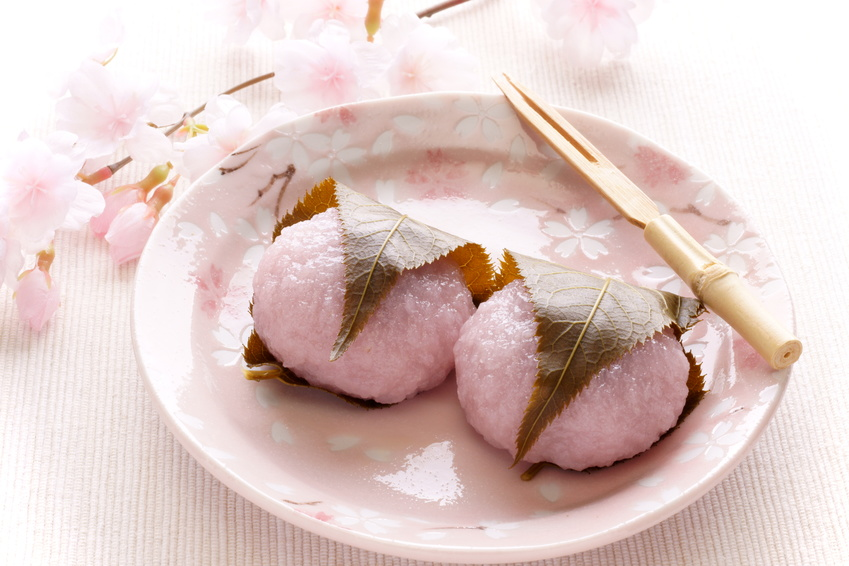
Different shapes depending on the region, such as Chomeiji style in Kanto and Domyoji style in Kansai.
関東では長命寺風、関西では道明寺風など、地域によって形が異なります。
How was it? There are still many delicious things in Japan.
Be sure to try it when you visit Japan.
Let’s Enjoy!




コメント