
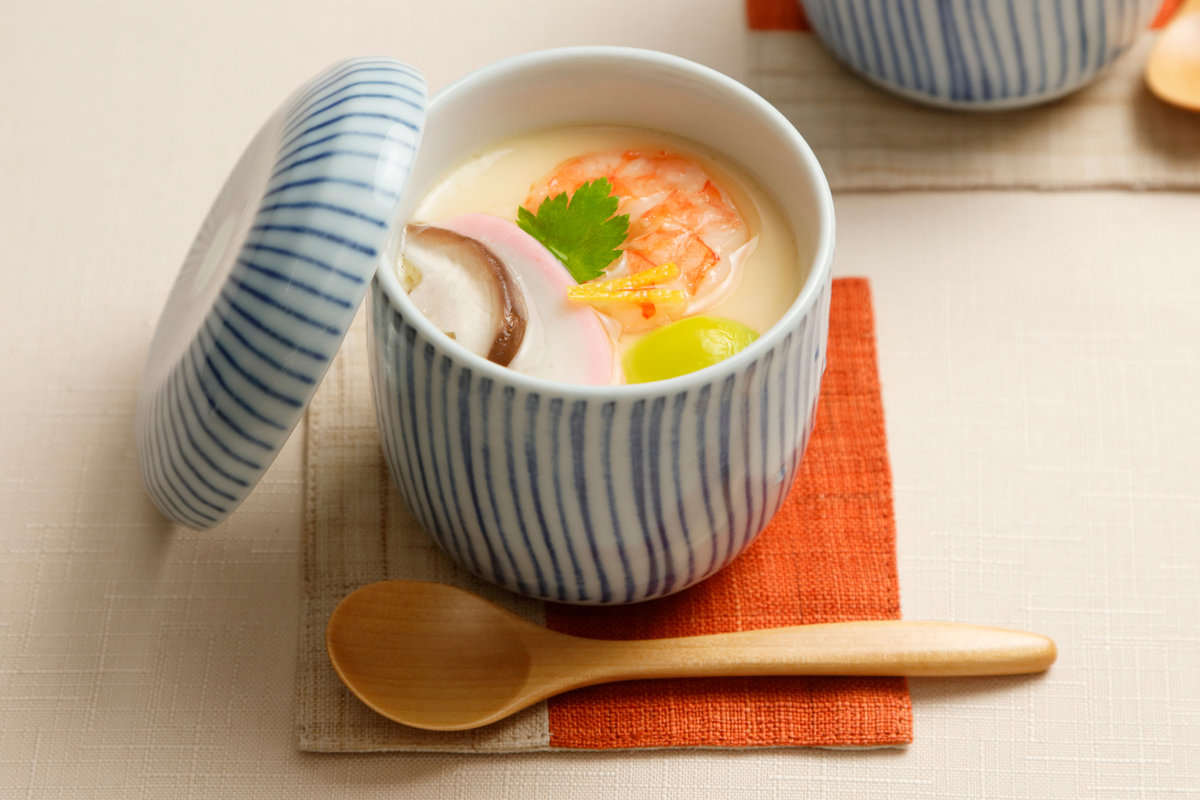
Hello, how are you all doing? Here we will introduce delicious food from Japan.
This article is designed so that you can also view and study in Japanese.
【history】
Chawanmushi is considered a Japanese steamed dish that was established around the Edo period to the late Edo period. Originally, it was influenced by Chinese and southern “steamed egg dishes,” and combined with Japan’s “dashi culture,” it developed into the refined dish we know today.
In particular, it developed as a dish in tea kaiseki and kaiseki cuisine, taking on a unique position as something that is both a soup and a dish.
From the Meiji to Shōwa periods, it began to be made not only in ryotei (traditional Japanese restaurants) and ryokan (inns) but also at home as a “slightly special dish” for celebrations or when guests visited. Today, it has become a familiar and representative Japanese egg dish, often found even at conveyor-belt sushi restaurants and casual family-style eateries.
茶碗蒸しは、江戸時代から後期にかけて定着した日本の蒸し料理です。もともとは中国や南方の「蒸し卵料理」の影響を受け、日本の「だし文化」と融合することで、今日のような洗練された料理へと発展しました。
特に、茶懐石や懐石料理の一品として発展し、汁物でありながら料理でもあるという独自の地位を確立しました。
明治から昭和にかけては、料亭や旅館だけでなく、お祝いや来客時の「ちょっと特別な一品」として家庭でも作られるようになりました。現在では、回転寿司やカジュアルなファミレスなどでもよく見かけられる、日本を代表する身近な卵料理となっています。
【characteristic】
Chawanmushi is a dish where dashi and eggs are combined and steamed with ingredients in a small bowl. It is simple, yet a delicate dish whose flavor can change significantly depending on the heat and how the dashi is prepared.
Smooth, ‘pudding-like’ texture
The appeal lies in its melt-in-your-mouth quality, determined by the balance of egg and dashi, as well as the steaming time and temperature.
Dashi flavor takes center stage
Dashi made from bonito, kelp, chicken, and other ingredients combines with the eggs to create a gentle, deep flavor.
Variety of ingredients
Chicken, kamaboko (fish cake), shiitake mushrooms, ginkgo nuts, shrimp, mitsuba, and more—each bowl contains a ‘little feast.’
Delicious hot or cold
Enjoy it steaming in winter, or chilled in summer as an elegant appetizer.
Modest in appearance, luxurious in taste
Not flashy, but each bite releases the umami of the dashi—a dish for connoisseurs.
茶碗蒸しは、だしと卵を合わせ、小さな器で具材とともに蒸す料理です。シンプルながらも繊細な味わいで、火加減やだしの取り方によって味わいが大きく変わります。
なめらかでプリンのような食感
卵とだしのバランス、蒸し時間、温度によって口の中でとろけるような食感が魅力です。
だしの風味が主役
かつお、昆布、鶏肉などからとっただしが卵と溶け合い、優しく奥深い味わいを生み出します。
多彩な具材
鶏肉、かまぼこ、椎茸、銀杏、エビ、三つ葉など、一椀にぎっしりと詰まった「小さなごちそう」です。
温かくても冷やしても美味しい
冬は蒸して、夏は冷やして上品な前菜としてお召し上がりください。
見た目は控えめ、味わいは贅沢
派手さはありませんが、一口食べるごとにだしの旨味が広がり、まさに通好みの一品です。
【category】
■Kansai-Style Chawanmushi
A refined flavor with a light color that emphasizes the aroma of the dashi broth. The ingredients are kept minimal to highlight the smoothness of the eggs.
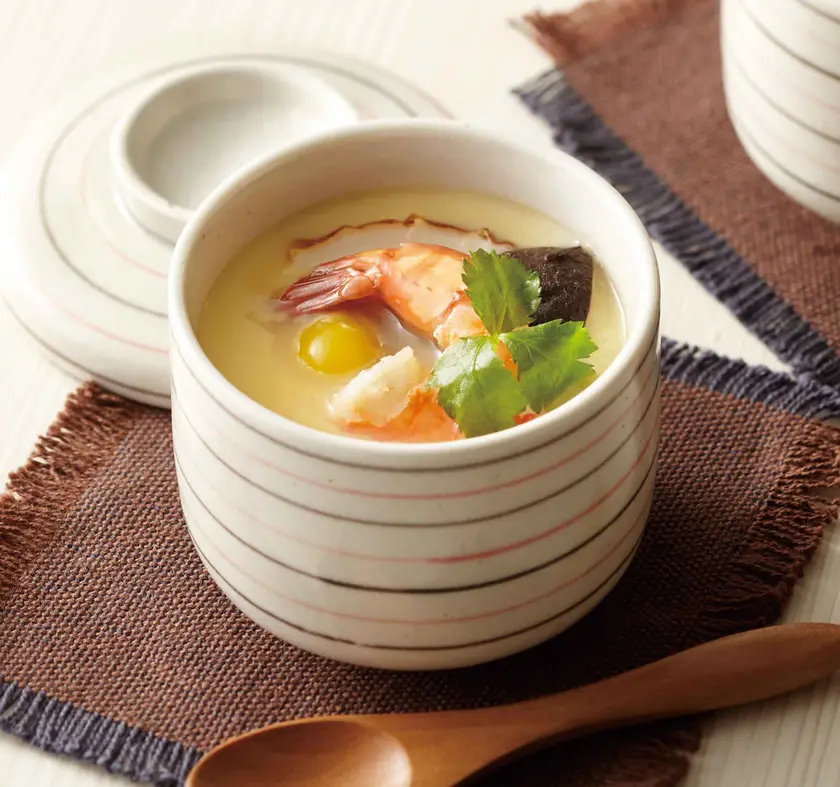
Among all chawanmushi in Japan, Kansai chawanmushi is characterized by its refined and delicate flavor, which emphasizes the umami of the dashi stock. The fluffy texture and the clear aroma of the dashi stock are in perfect harmony, leaving a gentle aftertaste with every bite.
関西の茶碗蒸しは、全国の茶碗蒸しの中でも特に“だしの旨味”を大切にした、上品で繊細な味わいが特徴です。 ふんわりとした食感と、澄んだだしの香りが調和し、口に運ぶたびにやさしい余韻が広がります。
■Kanto-Style Chawanmushi
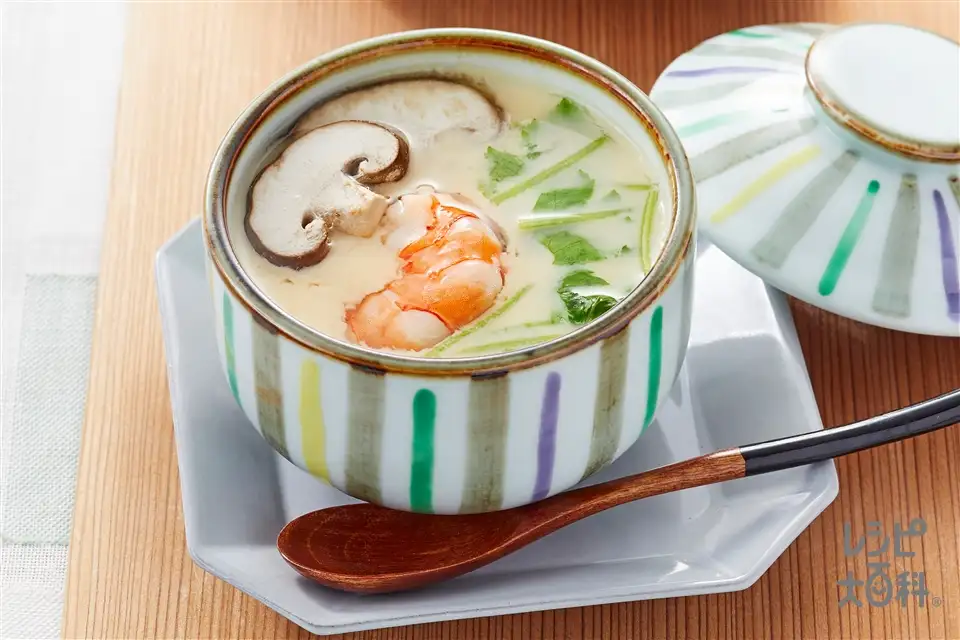
Slightly stronger in flavor, with a robust taste of chicken and shiitake mushrooms. The result is a more substantial dish.
鶏肉と椎茸の風味がしっかりと感じられ、やや風味が強め。よりボリュームのある一品に仕上がっています。
How was it? There are still many delicious things in Japan.
Be sure to try it when you visit Japan.
Let’s Enjoy!





コメント