
Hello, how are you all doing? Here we will introduce delicious food from Japan.
This article is designed so that you can also view and study in Japanese.
【history】
The roots of gyoza are in China, and it is said that they were historically eaten as a cuisine based on the concept that food and medicine share the same origin. In cold regions, people began boiling meat and vegetables wrapped in wheat dough to warm themselves—this is considered the origin of “shuǐ jiǎo” (boiled dumplings). They became especially popular in northern China as a home-cooked dish and for special occasions.
Gyoza became widely popular in Japan after World War II. People repatriated from China and Manchuria recreated the gyoza they had eaten there in Japan, which eventually led to the establishment of a uniquely Japanese style known as “yaki-gyoza” (pan-fried dumplings).
In China: boiled dumplings are the main focus
In Japan: pan-fried dumplings are the main focus
This difference is one of the interesting aspects of the history of gyoza.
餃子のルーツは中国にあり、古くは「医食同源」の考えに基づいた料理として食べられていたと言われています。寒冷地では、小麦粉の皮で肉や野菜を包んで茹でることで体を温める習慣が始まり、これが「水餃子」の起源と考えられています。特に中国北部では、家庭料理として、また特別な日の料理として人気を博しました。
餃子が日本で広く普及したのは第二次世界大戦後です。中国や満州から引き揚げた人々が、現地で食べた餃子を日本で再現し、それが日本独自の「焼き餃子」へと発展しました。
中国では水餃子が主流
日本では焼き餃子が主流
この違いが、餃子の歴史における興味深い点の一つです。
【characteristic】
Gyoza are a dish made by wrapping fillings in a wheat-based dough and then cooking them by frying, boiling, or steaming. Despite their simple composition, the way they are wrapped, cooked, and the choice of ingredients can dramatically change their character.
Texture of the wrapper:
Pan-fried gyoza: crispy on the bottom, chewy on top
Boiled gyoza: overall soft and slightly chewy texture
Steamed gyoza: fluffy and moist
Balance of ingredients:
The classic combination is ground pork + cabbage or napa cabbage + garlic chives + garlic + ginger. The umami of the meat and the sweetness and aroma of the vegetables blend together, making them juicy with every bite.
Pairing with sauce:
The basic sauce is soy sauce + vinegar + chili oil. You can enjoy customizing it according to your taste with extra vinegar, extra chili oil, just salt, black vinegar, etc.
Versatility as both a side dish and a snack:
They can be a side dish with rice, a snack with beer, or a companion to ramen… they shine in any position.
餃子は、小麦粉をベースにした皮で具材を包み、揚げたり、茹でたり、蒸したりして作る料理です。シンプルな構成ですが、包み方、焼き方、そして具材の選び方によって、その味わいは大きく変わります。
皮の食感:
焼き餃子:底はカリッと、上はモチモチ
水餃子:全体的に柔らかく、少し歯ごたえのある食感
蒸し餃子:ふんわりとジューシー
具材のバランス:
定番の組み合わせは、豚ひき肉+キャベツまたは白菜+ニラ+ニンニク+ショウガです。肉の旨味と野菜の甘みと香りが溶け合い、噛むごとにジューシーな味わいが楽しめます。
タレとの相性:
基本のタレは、醤油+酢+ラー油です。酢増し、ラー油増し、塩のみ、黒酢など、お好みに合わせてアレンジしてお楽しみいただけます。
おかずにもおつまみにも万能:
ご飯のおかずとして、ビールのおつまみとして、ラーメンのお供として…どんなシーンでも映えます。
【category】
■Fried dumplings(焼き餃子)
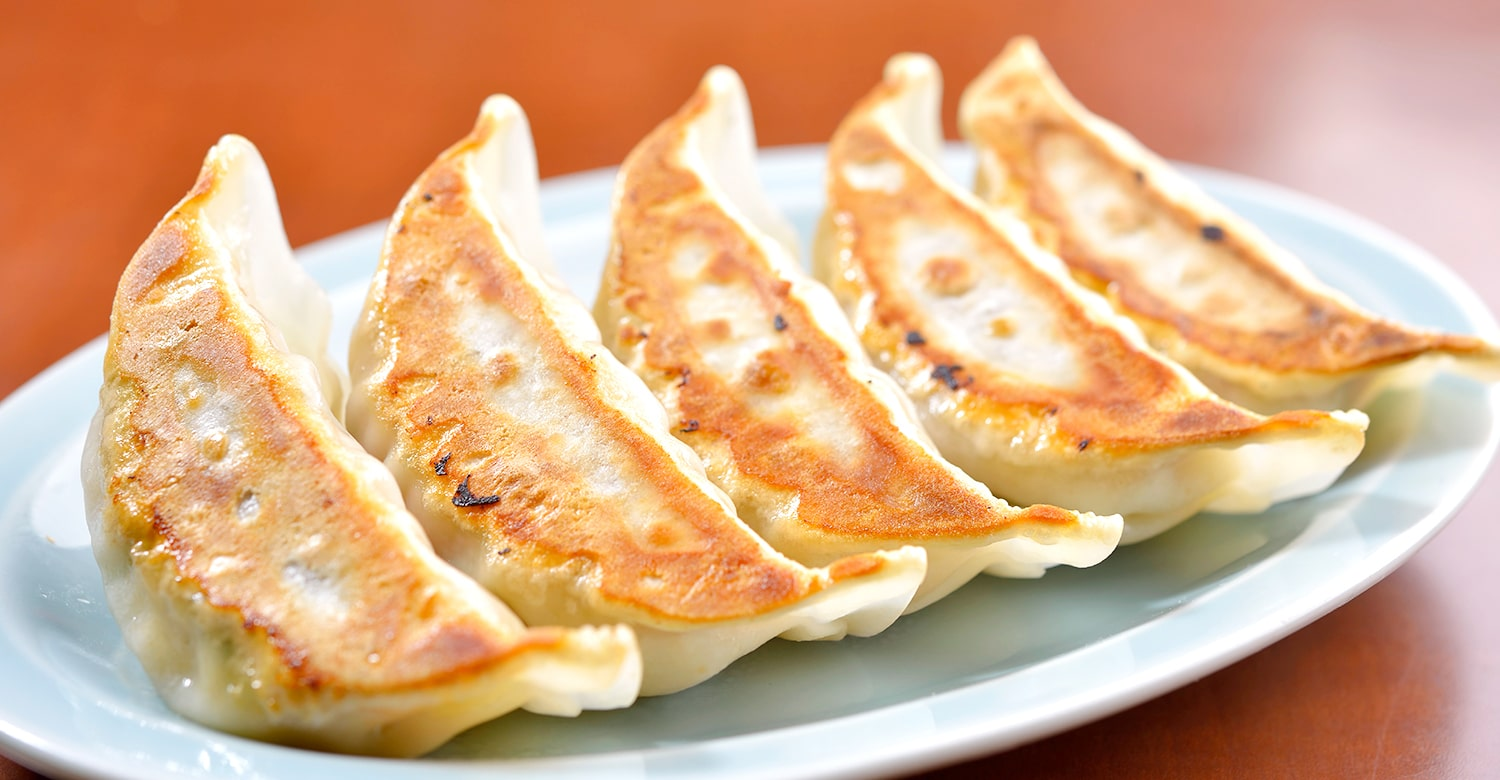
They are cooked in a frying pan or on a hot plate, with water added halfway through to steam them.
The contrast between the crispy, fragrant bottom and the chewy top is what makes them so appealing.
Gyoza are the most commonly eaten dish, both at home and when eating out.
フライパンやホットプレートで焼き、途中で水を加えて蒸します。
カリッと香ばしい底の部分と、もちもちとした食感の上の部分のコントラストが魅力です。
餃子は、家庭でも外食でも、最もよく食べられている料理です。
■boiled dumplings(水餃子)
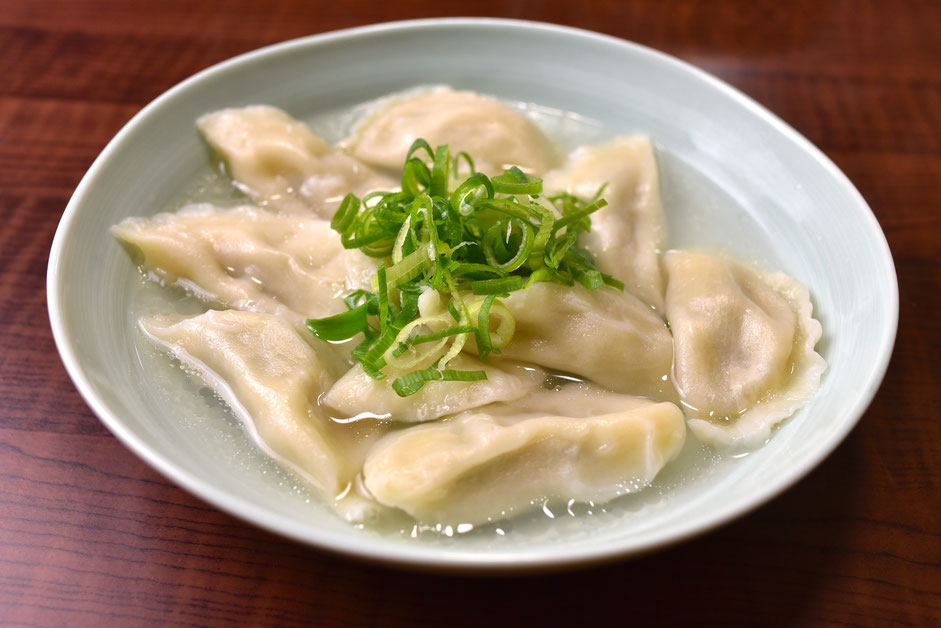
Gyoza dumplings boiled in plenty of water.
The skin is plump and bouncy, and they are often made into soup dumplings.
This is the main type in China, and is also popular in specialty dumplings and Chinese restaurants in Japan.
たっぷりのお湯で茹でた餃子。
皮はふっくらと弾力があり、スープ餃子としてよく使われます。
中国では主流で、日本でも餃子専門店や中華料理店で人気です。
■Steam dumplings(蒸し餃子)
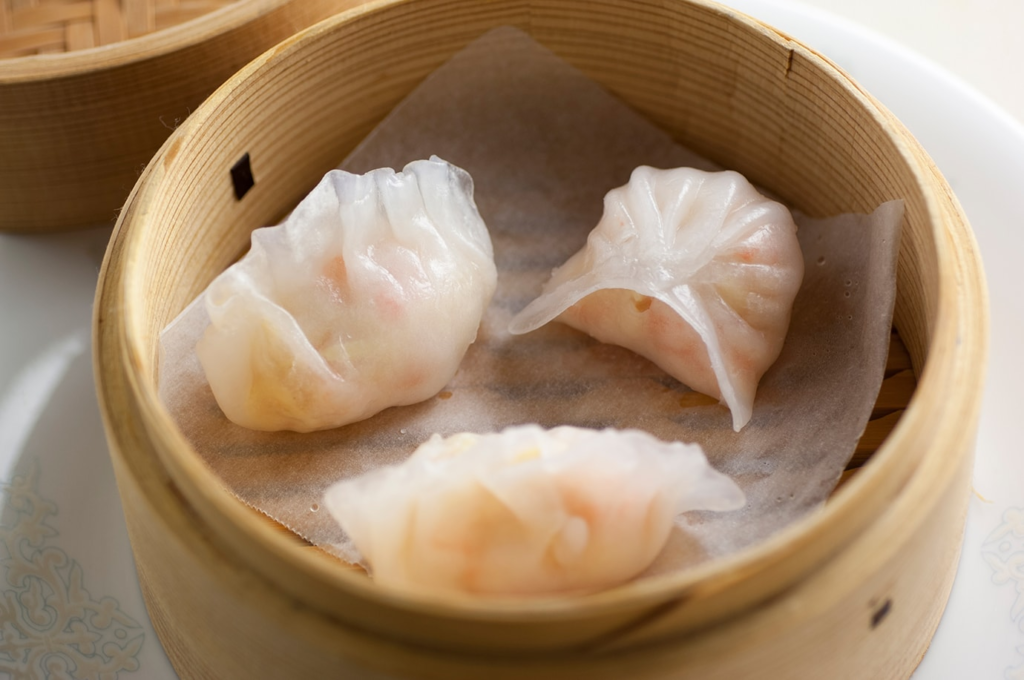
It’s steamed in a bamboo steamer.
The skin is soft and the filling is juicy.
It’s often served as dim sum and has an elegant appearance.
竹製の蒸し器で蒸したものです。
皮は柔らかく、餡はジューシーです。
点心としてよく出され、見た目も上品な一品です。
How was it? There are still many delicious things in Japan.
Be sure to try it when you visit Japan.
Let’s Enjoy!





コメント