
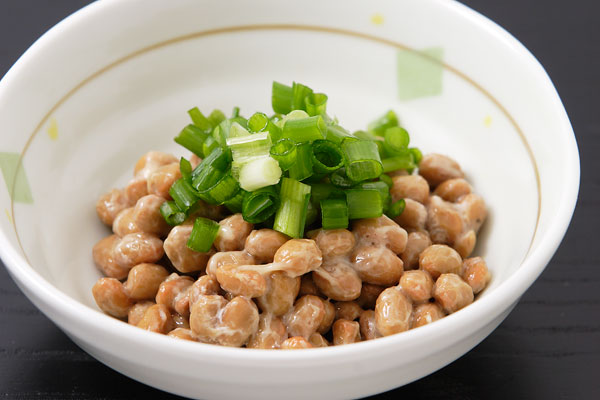
Hello, how are you all doing? Here we will introduce delicious food from Japan.
This article is designed so that you can also view and study in Japanese.
【history】
Natto is a traditional Japanese food with very ancient origins, and it is said to have already been eaten during the Heian period. There are several theories about its roots.
Theory of beans wrapped in straw fermenting naturally:
It is said that boiled beans wrapped in straw for horse feed accidentally fermented and became natto.
Theory from the Sengoku period about provisions:
When boiled beans were carried wrapped in straw on the battlefield, they naturally fermented and gave birth to natto.
Fermentation culture that developed mainly in the Tohoku and Kanto regions:
As a preserved food in cold regions, it was valued and gradually spread throughout the country.
By the Edo period, it had become a common food on the tables of ordinary people, and from the Meiji period onward, manufacturing technology evolved, leading to the widespread use of the packaged natto we have today.
納豆は、その起源が非常に古い日本の伝統食品で、平安時代にはすでに食されていたと言われています。そのルーツには諸説あります。
藁に巻かれた豆が自然発酵したという説:
馬の飼料として藁に巻かれた茹で豆が偶然発酵し、納豆になったと言われています。
戦国時代の兵糧に関する説:
茹でた豆を藁に巻いて戦場に運んだところ、自然発酵して納豆が誕生したという説。
東北地方と関東地方を中心に発展した発酵文化:
寒冷地の保存食として重宝され、徐々に全国に広まっていきました。
江戸時代には庶民の食卓に並ぶようになり、明治時代以降は製造技術の進歩により、現在のような包装納豆が広く普及しました。
【characteristic】
Natto is a food made by fermenting soybeans with natto bacteria, characterized by its “stickiness, aroma, and umami.”
1.Stickiness and Strings
The stickiness produced by the natto bacteria gives natto its unique texture. The more
you stir it, the fluffier it becomes, and the aroma rises.
2.Unique Aroma from Fermentation
This is a point that people either love or dislike, but once you get used to it, its deep
aroma can become addictive.
3.Very High Nutritional Value
High-quality protein
Vitamin K
Dietary fiber
Nattokinase (an enzyme produced during fermentation)
It is also gaining attention as a health food.
4.Versatile Ways to Eat
Not only can it be placed on rice, but it can be combined with eggs, green onions,
kimchi, seaweed, and more, with countless flavor possibilities depending on the
combination.
1.粘り気と糸引き
納豆菌が生み出す粘り気は、納豆に独特の食感を与えます。
かき混ぜるほどにふわふわになり、香りが立ち上ります。
2.発酵による独特の香り
好き嫌いが分かれるところですが、慣れると、その奥深い香りは病みつきになるかもしれません。
3.非常に高い栄養価
良質なタンパク質
ビタミンK
食物繊維
ナットウキナーゼ(発酵時に生成される酵素)
健康食品としても注目されています。
4.多彩な食べ方
ご飯にのせるだけでなく、卵、ネギ、キムチ、海苔などと組み合わせることで、
組み合わせ次第で無限の味が楽しめます。
【category】
■Itobiki Natto
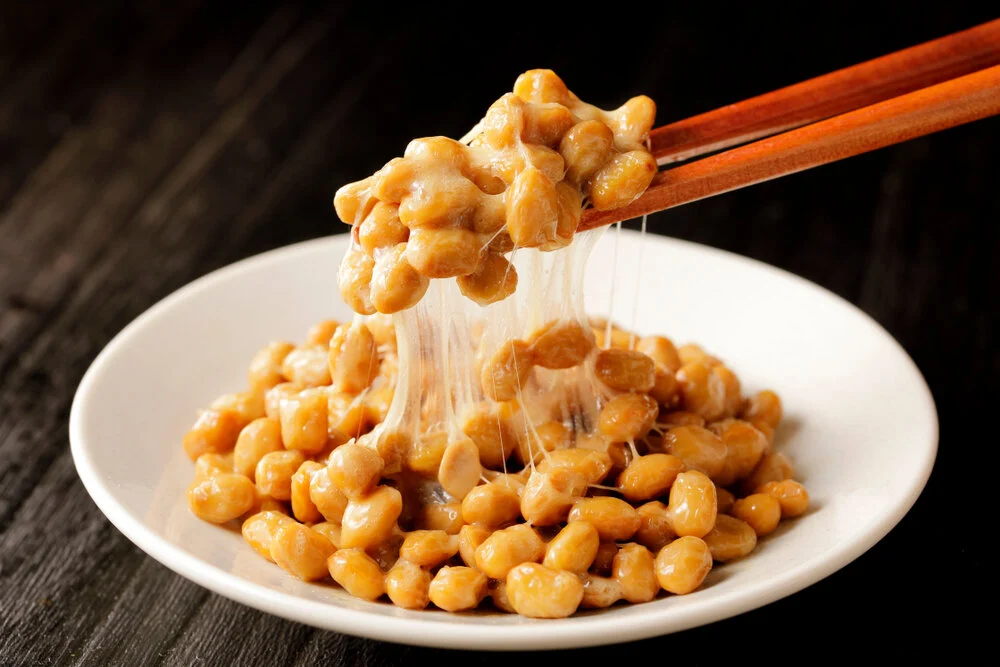
This is the most common type of natto and is popular nationwide. By fermenting soybeans with natto bacteria, it develops its characteristic stickiness and aroma.
最も一般的な納豆で、全国的に人気があります。大豆を納豆菌で発酵させることで、独特の粘り気と香りが生まれます。
■Black Soybean Natto
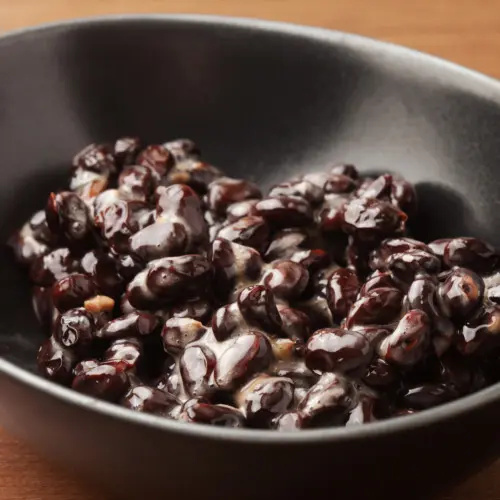
Made with black soybeans, it has a strong sweetness and a fluffy texture. Its mild aroma makes it easy for even those who are not fond of natto to eat.
黒豆を使用しているので、甘みが強く、ふわふわとした食感です。納豆が苦手な方でも食べやすい、やさしい香りです。
How was it? There are still many delicious things in Japan.
Be sure to try it when you visit Japan.
Let’s Enjoy!






コメント